The story
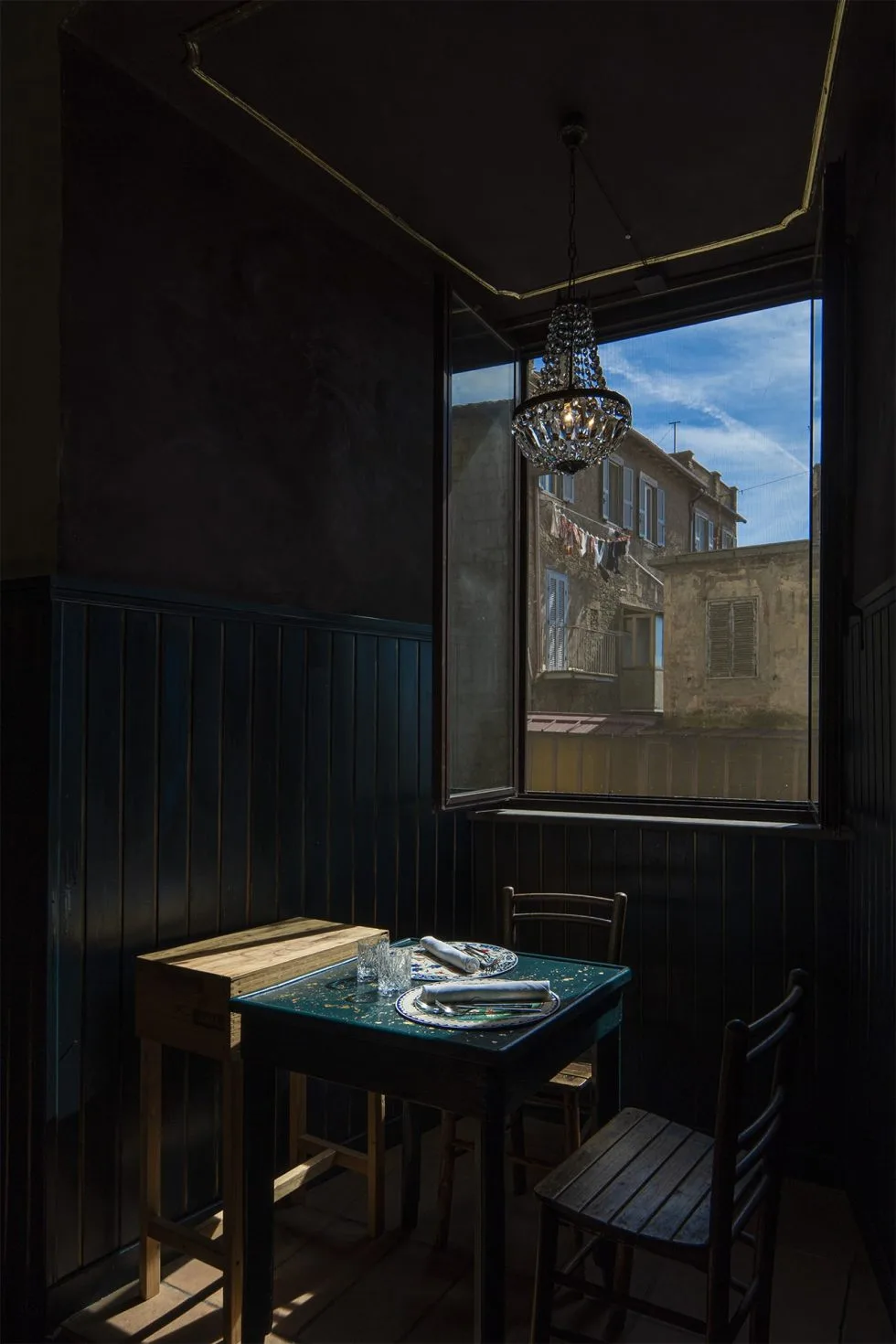
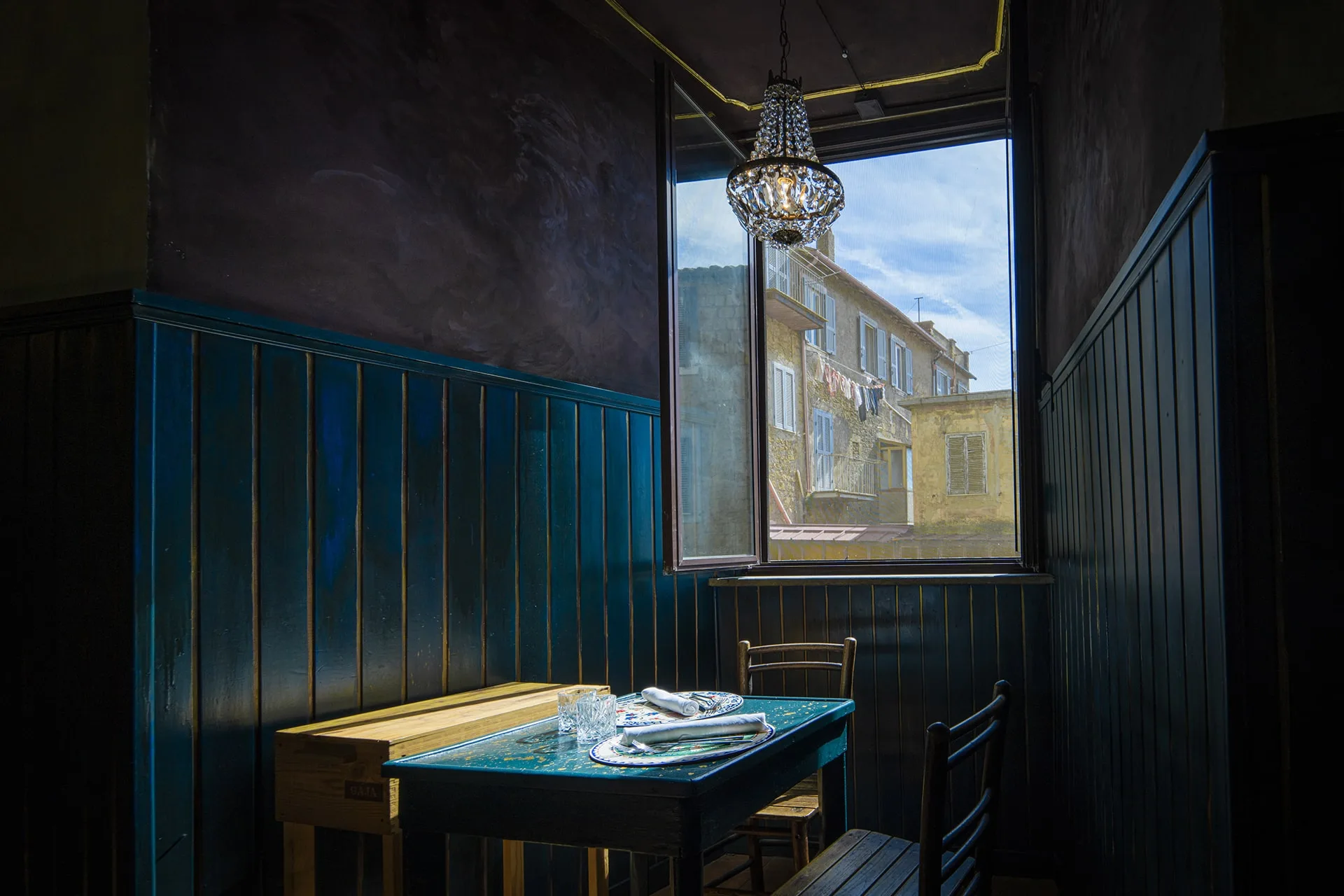
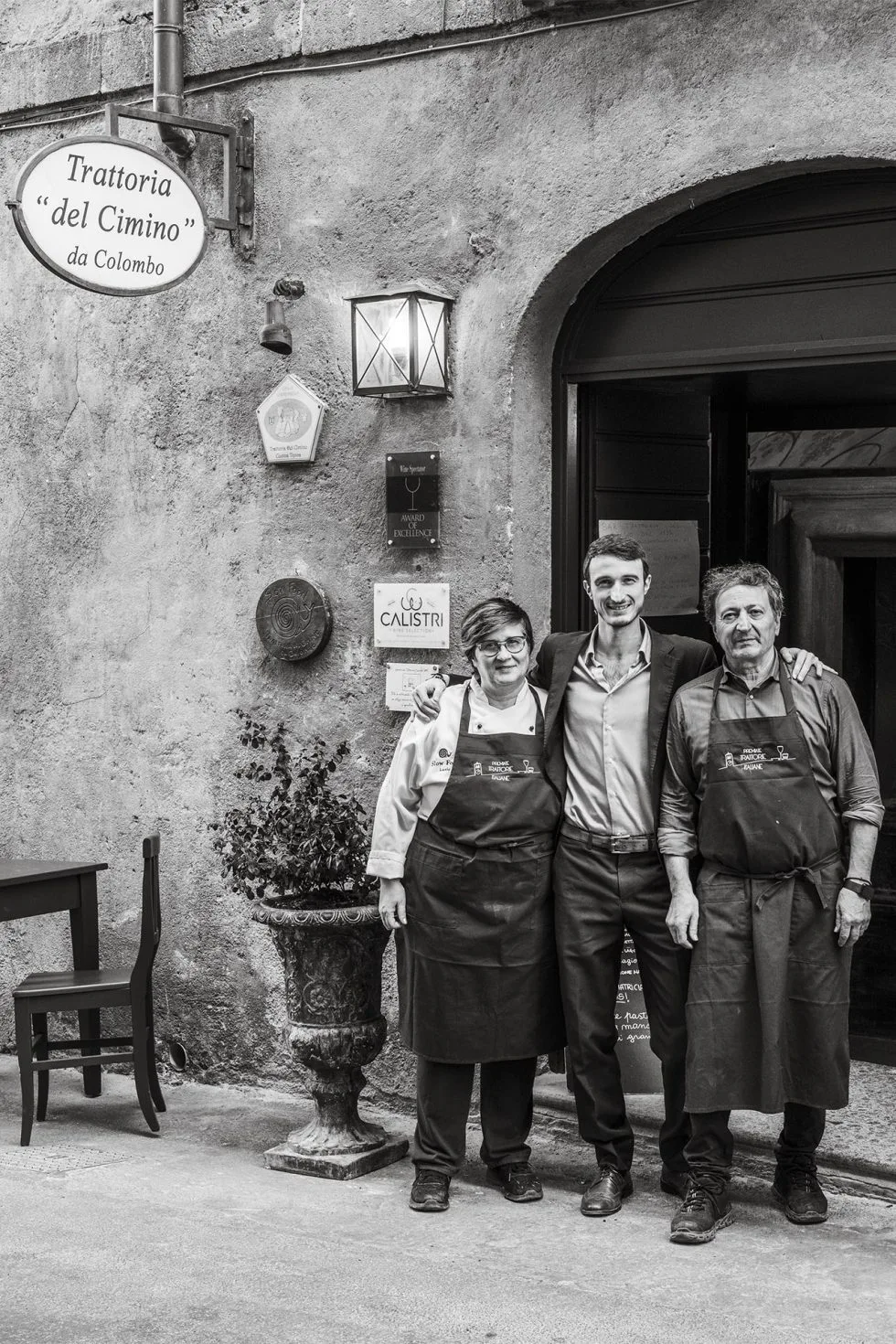
Trattoria del Cimino dal 1895 occupies the oldest noble palace in Caprarola, a building from 1370 once owned by the Anguillara family. It opened in 1895 as the first bettola of the Tuscia region, and from the beginning, founder Giuditta set a standard of quality that earned a mention in the Monaci guide of Rome and Province that same year. Today, five generations later, the trattoria remains a reference point for traditional Italian cuisine in one of Italy's most beautiful borghi.
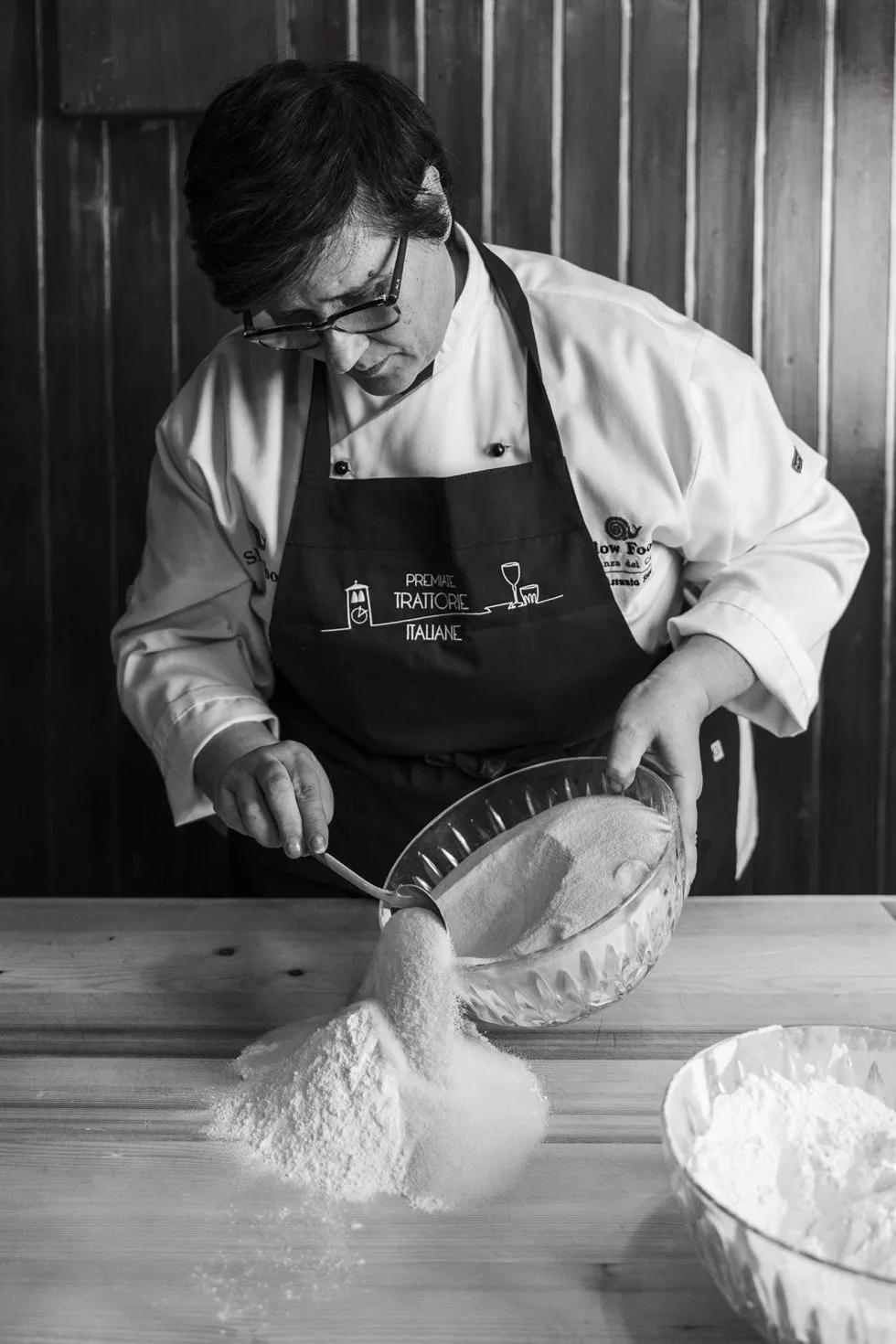
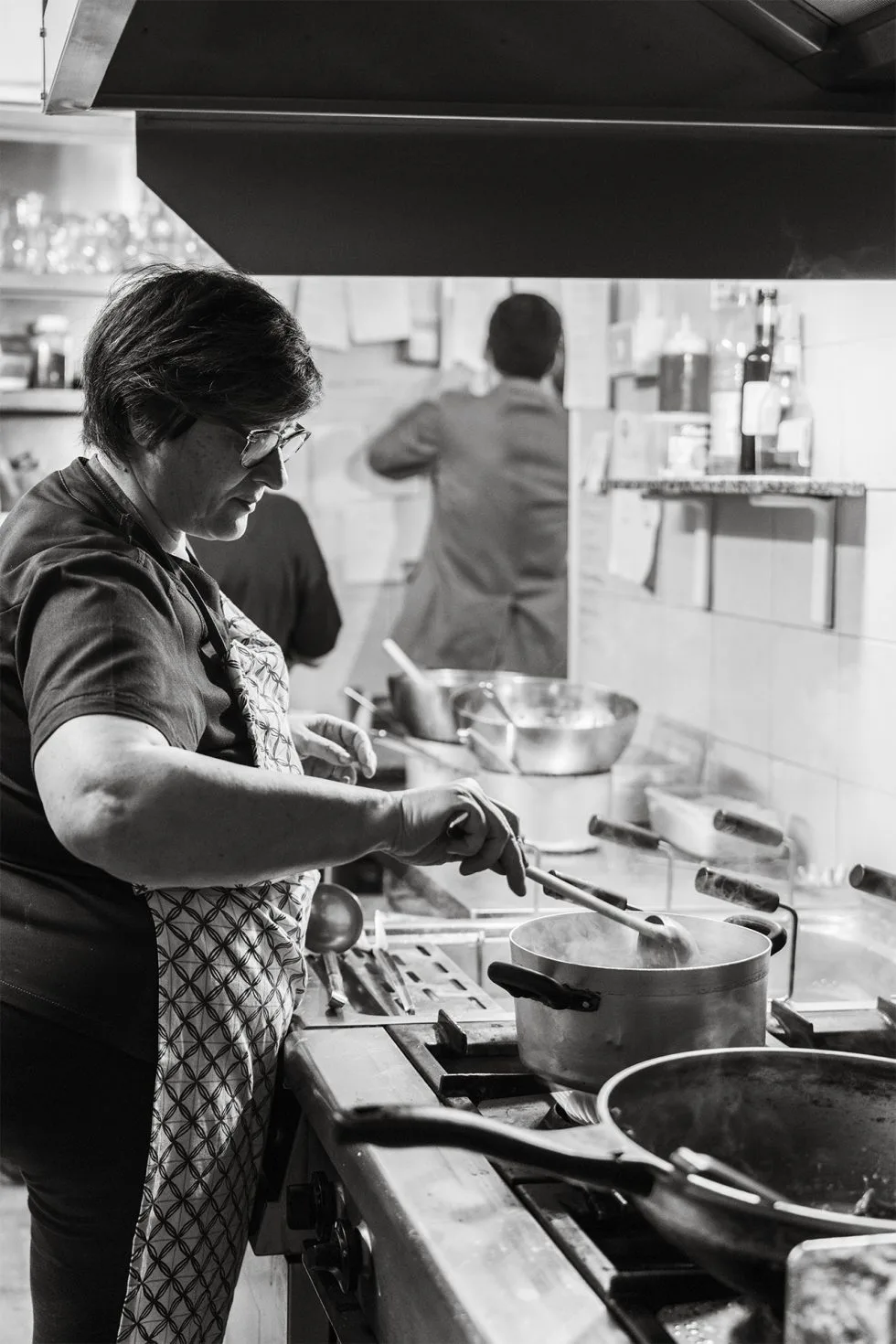
The kitchen draws on both Etruscan and Roman culinary traditions, reflecting Caprarola's history as part of the province of Rome until 1800. The philosophy is built on recipes passed down through five generations, close relationships with local producers, and a respect for seasonality that keeps the menu evolving. Since 1997, chef Maria Assunta Stacchiotti has been the guardian of these traditions. She learned the family recipes from Angela and refined her techniques through stages with starred chefs Antony Genovese and Lucio Pompili, ensuring that each plate respects the territory while embracing subtle innovation.
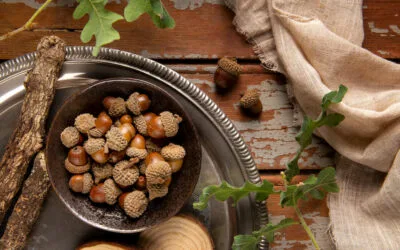
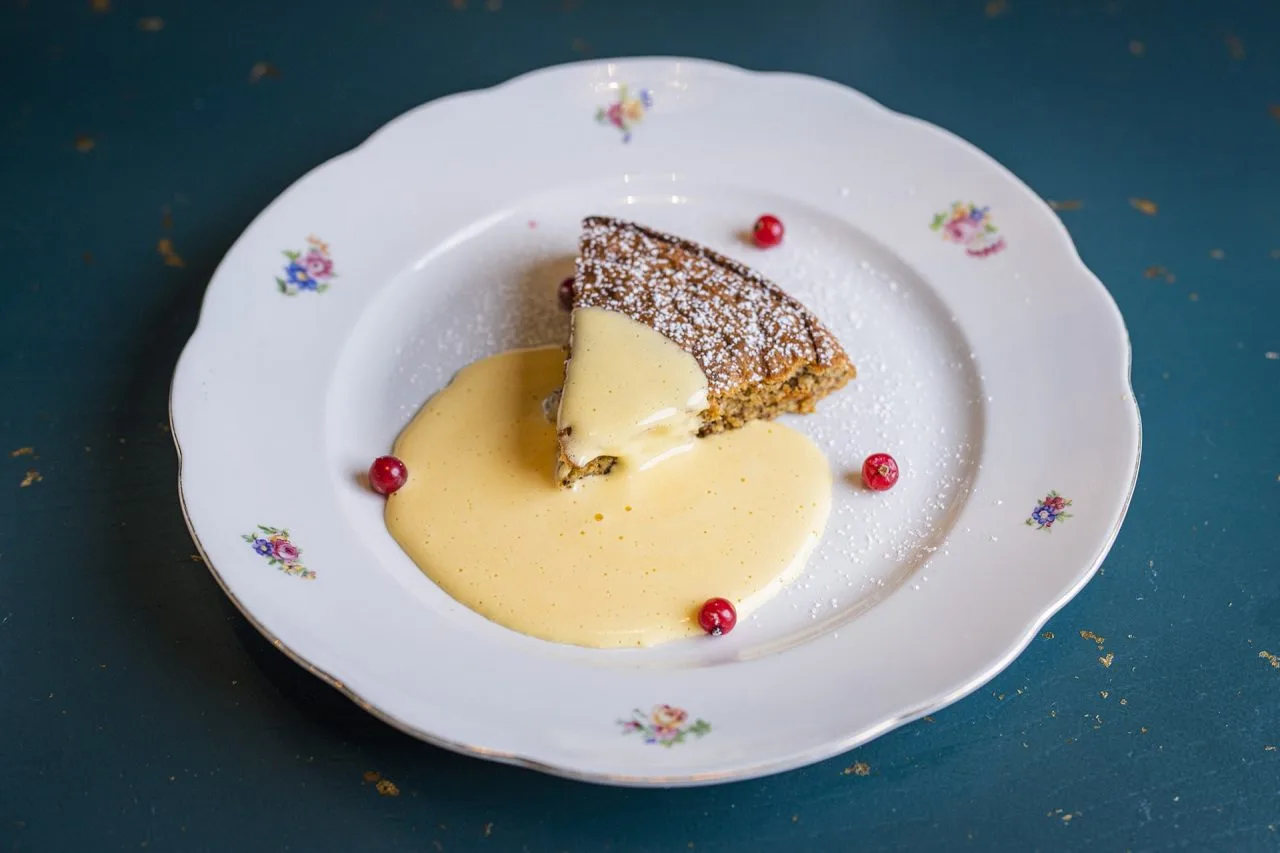
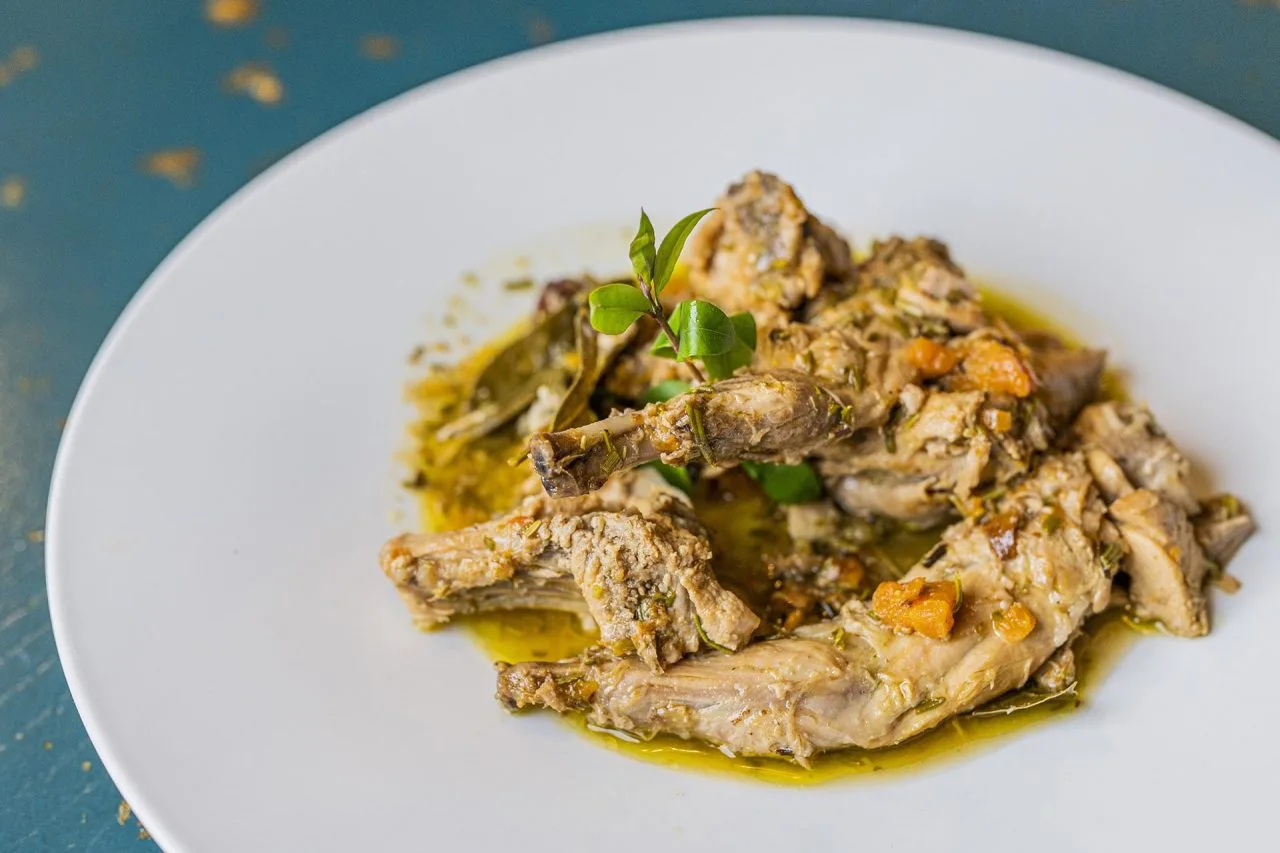
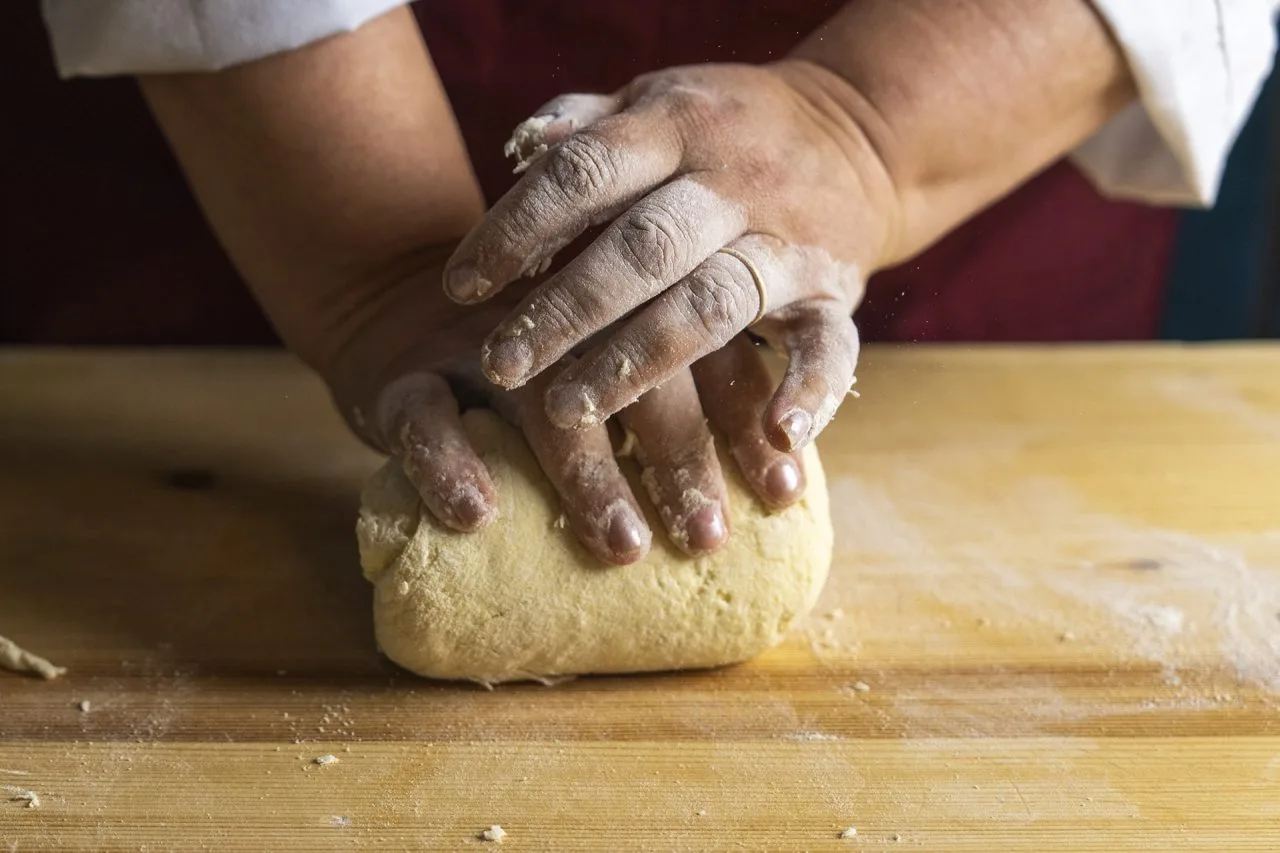
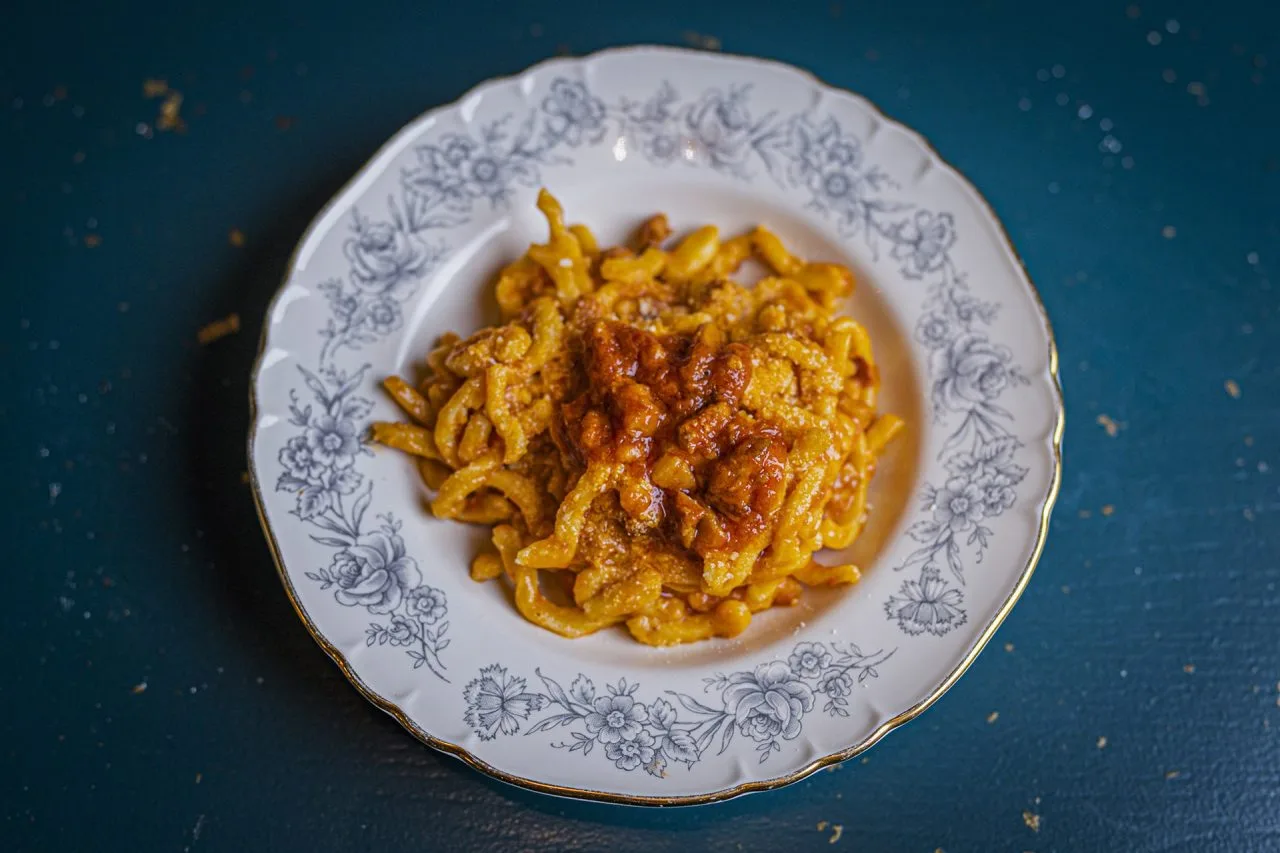
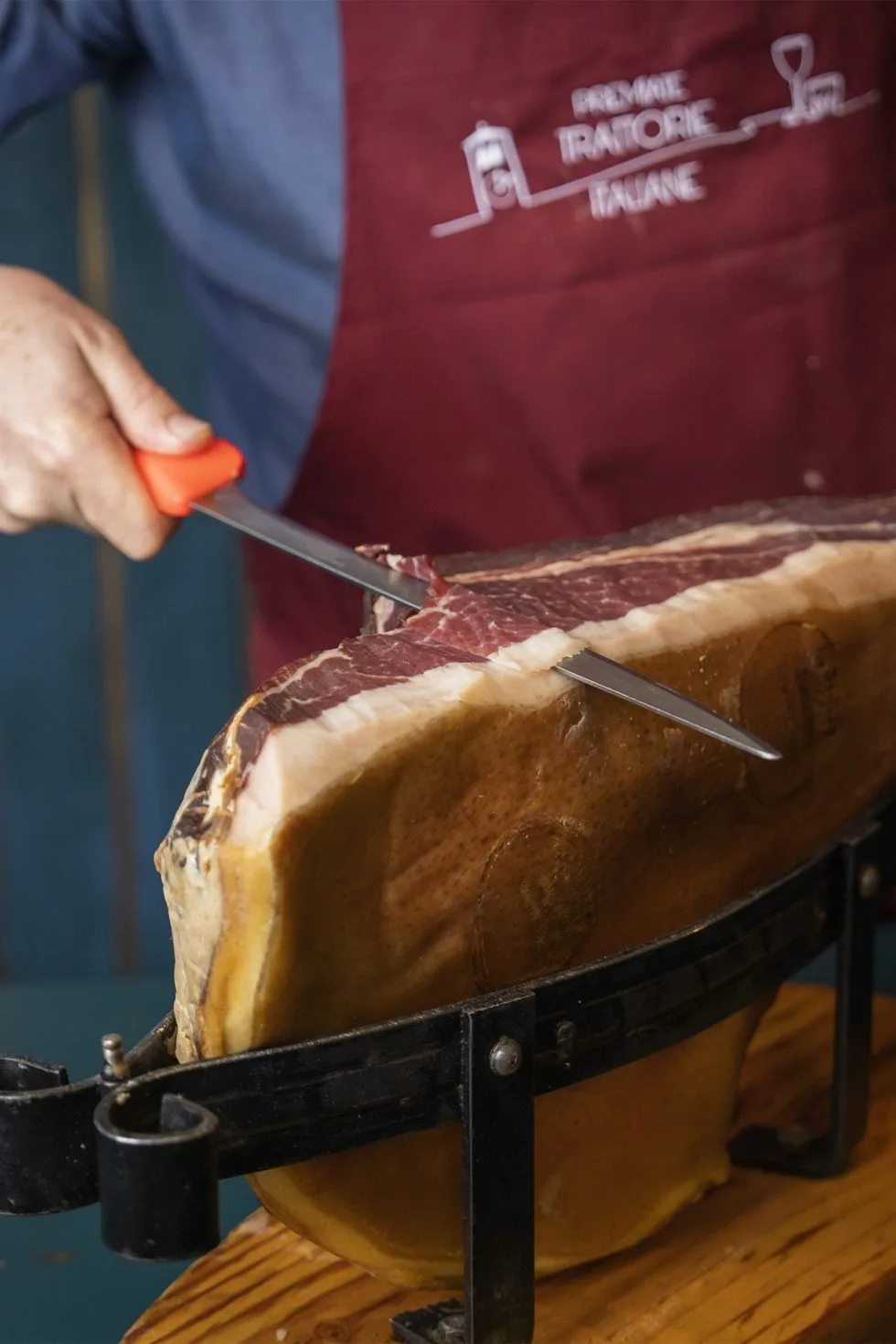
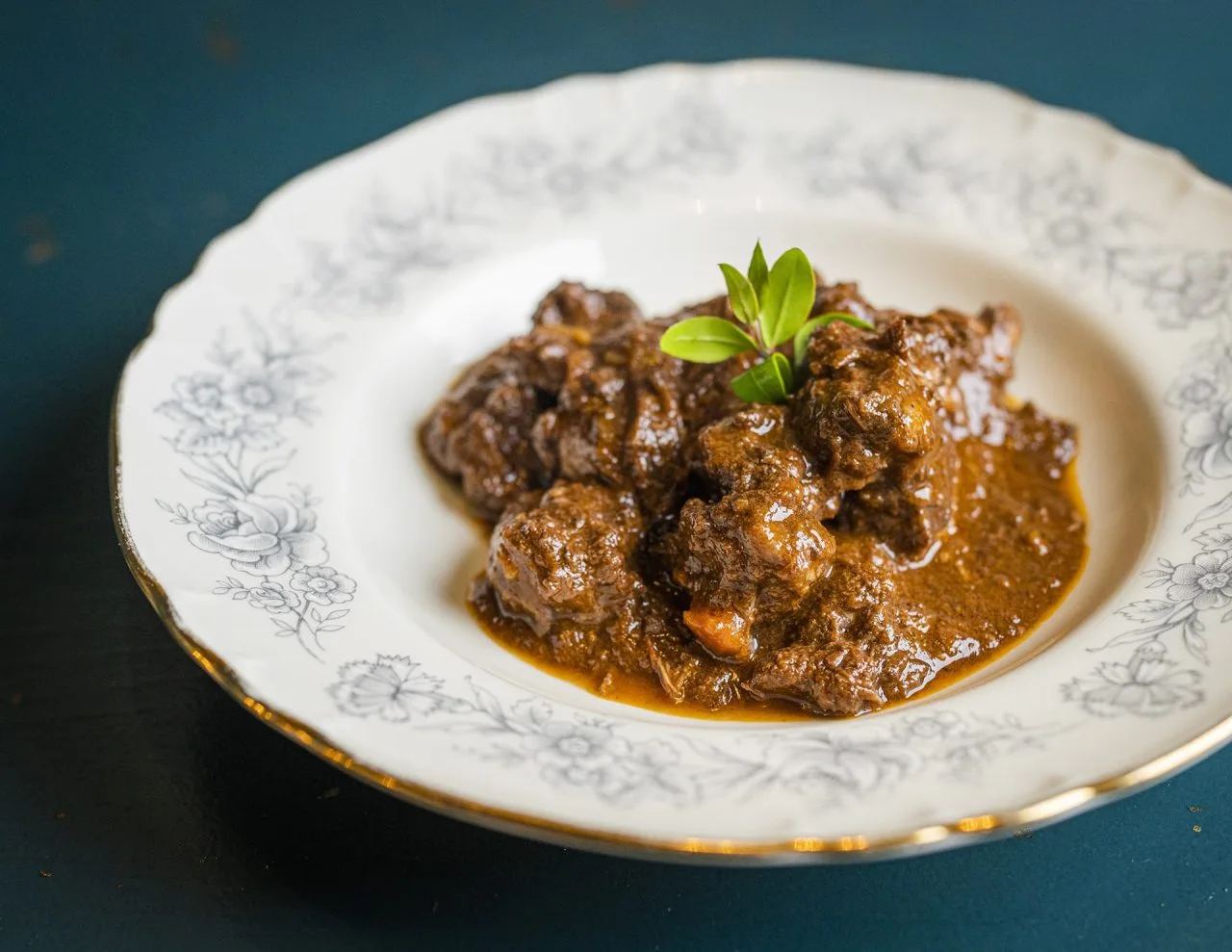
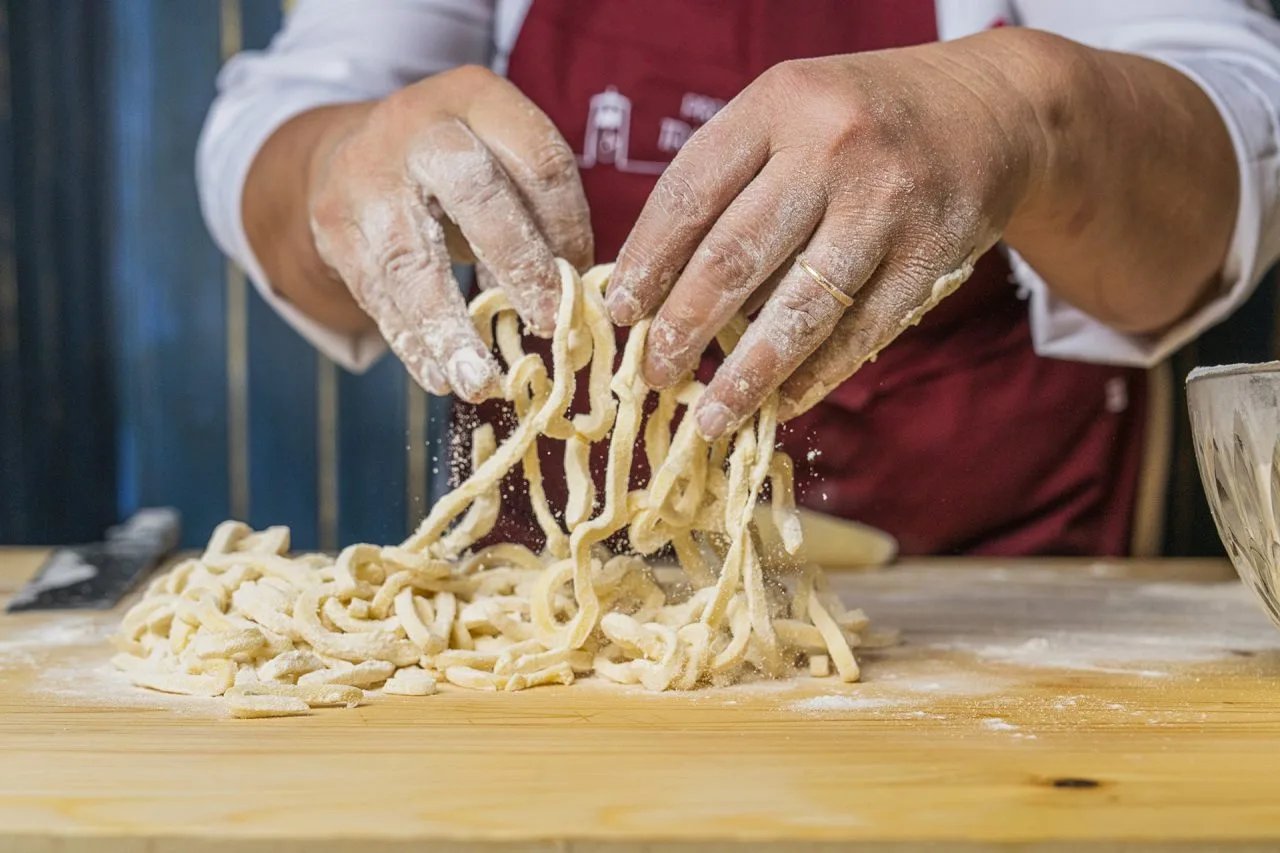
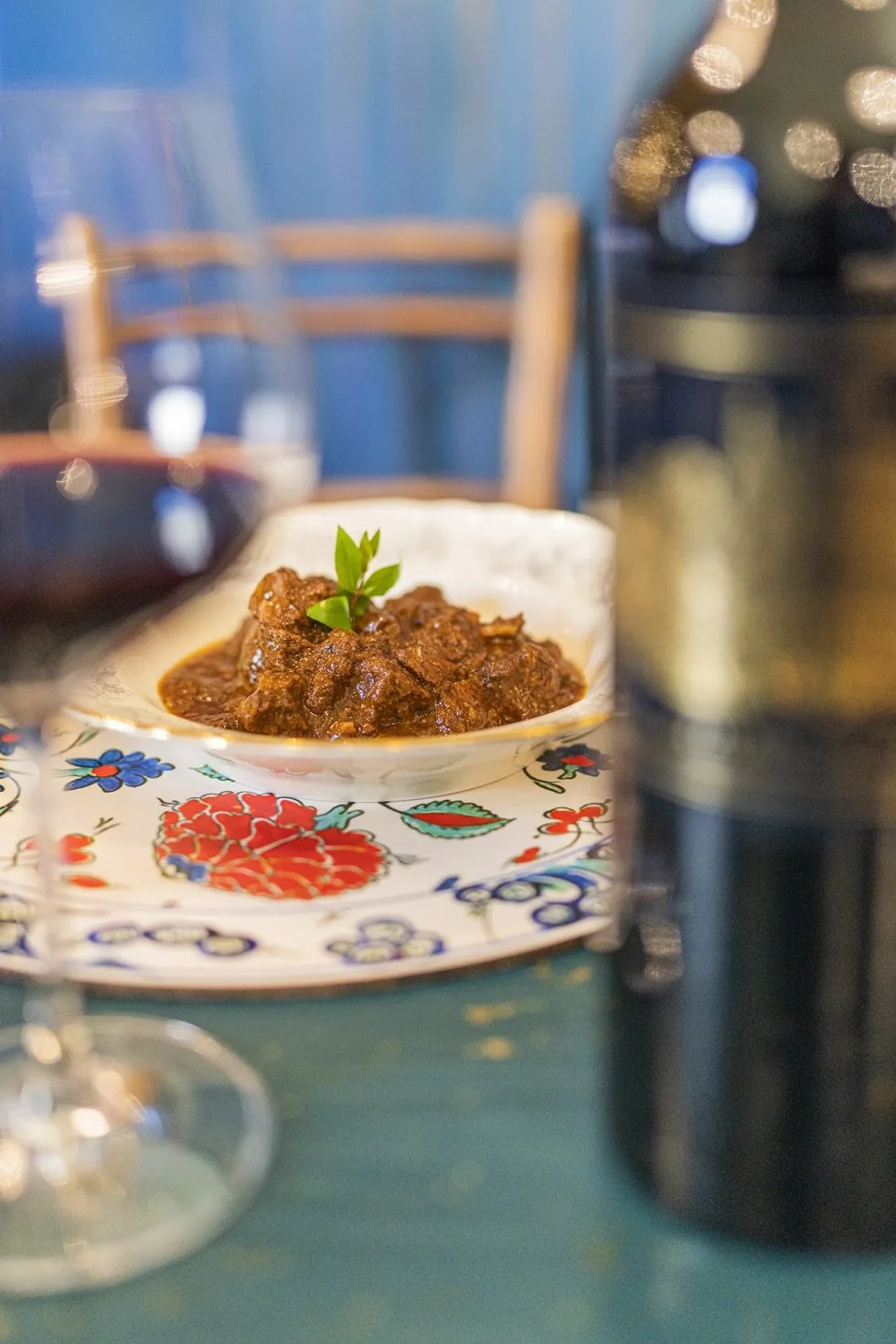
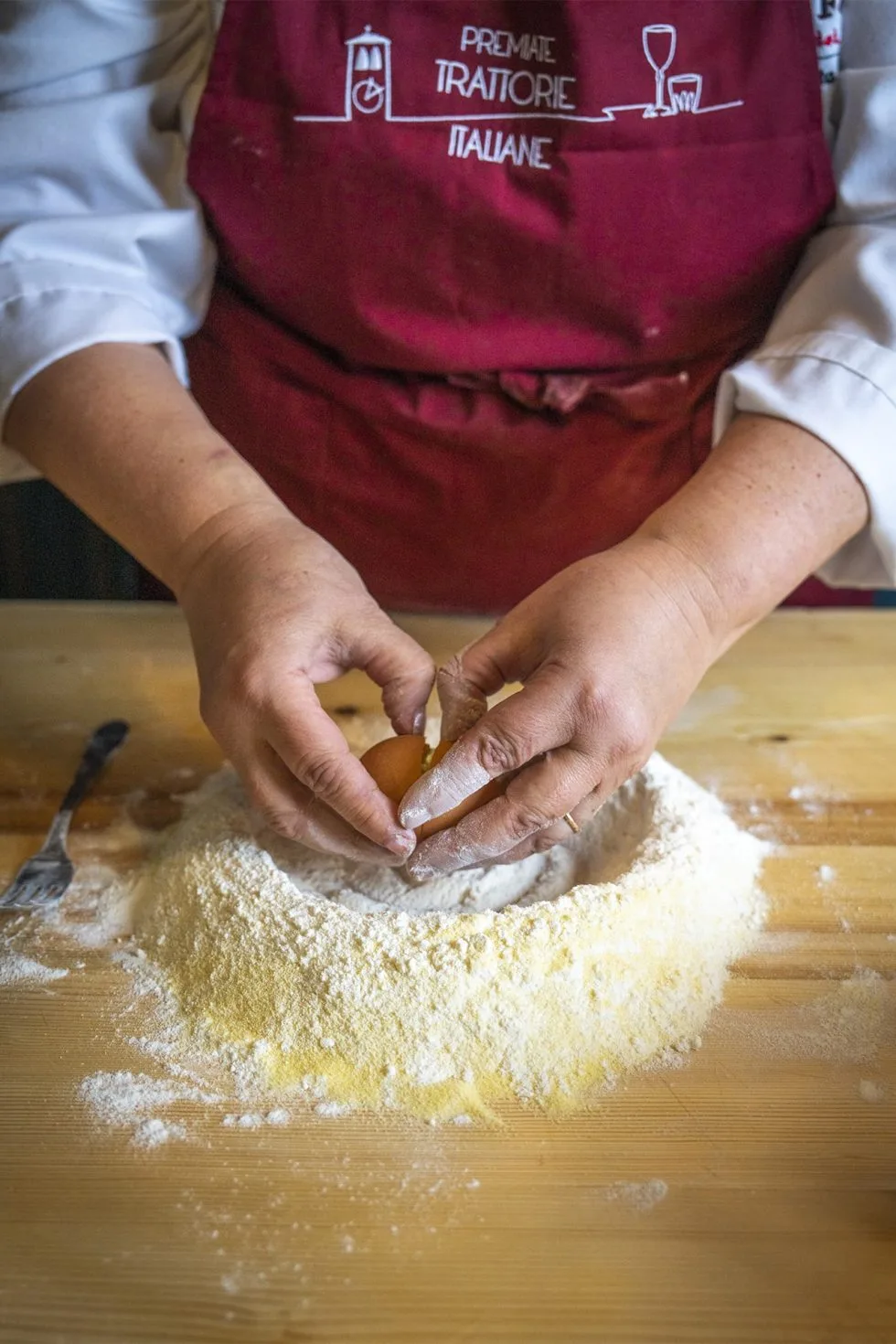
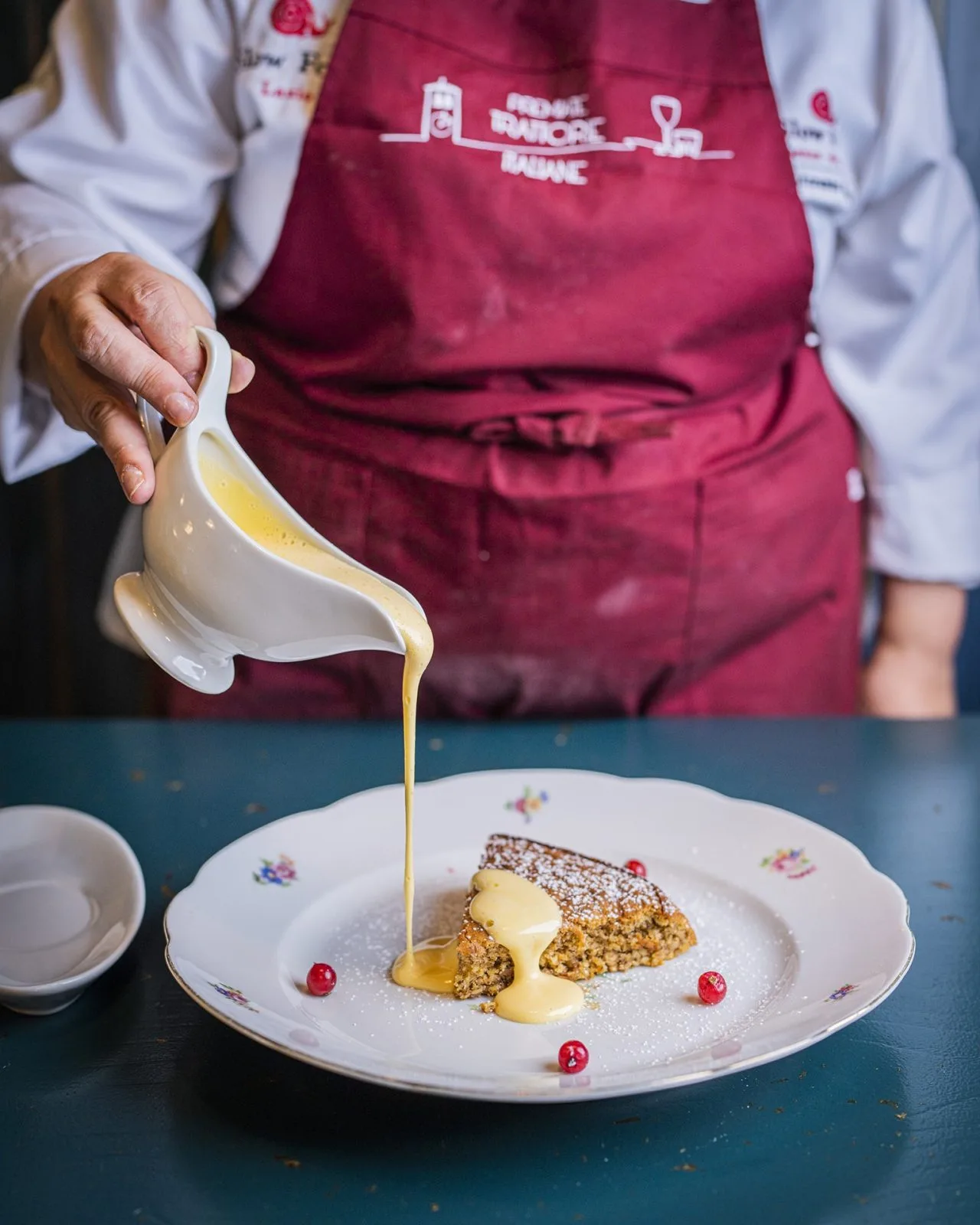
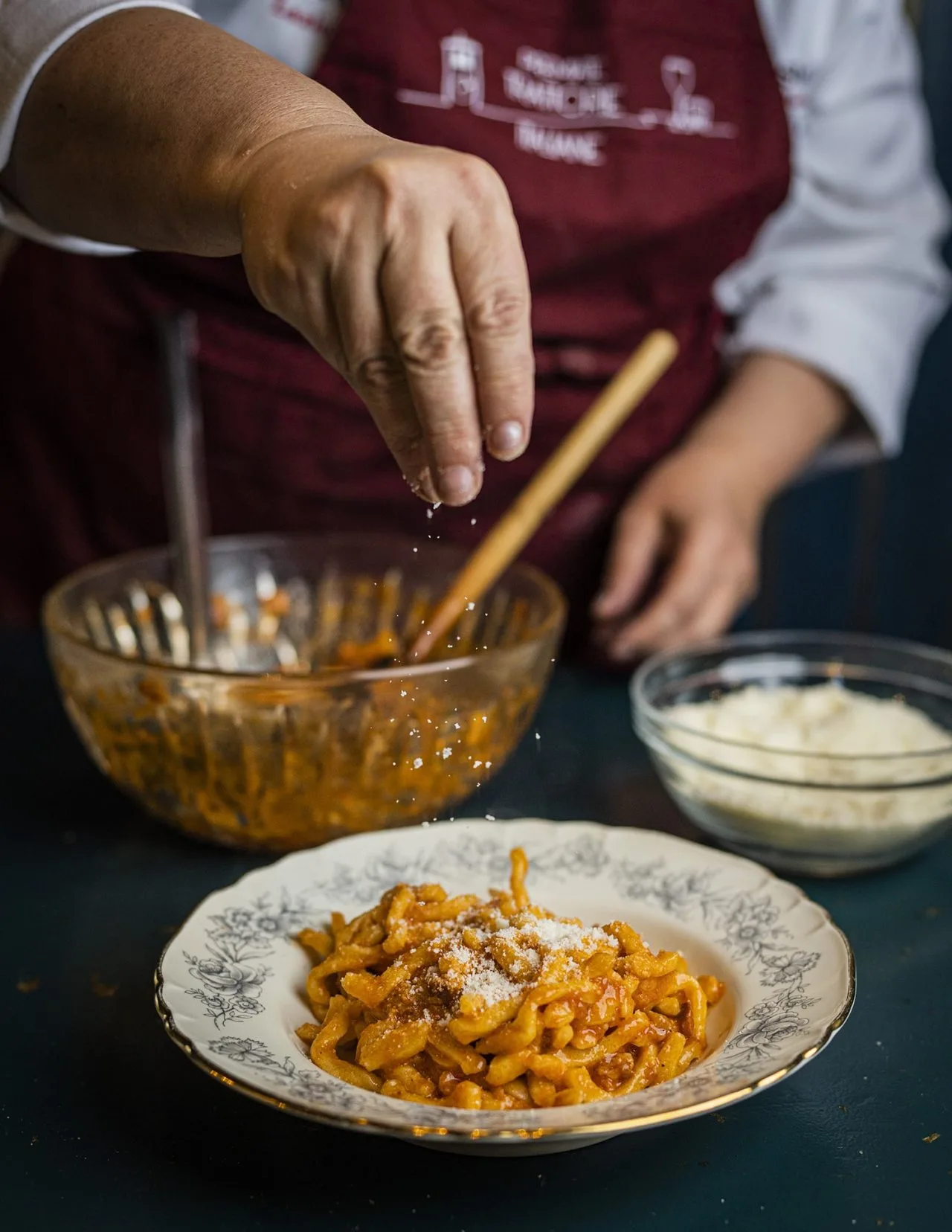
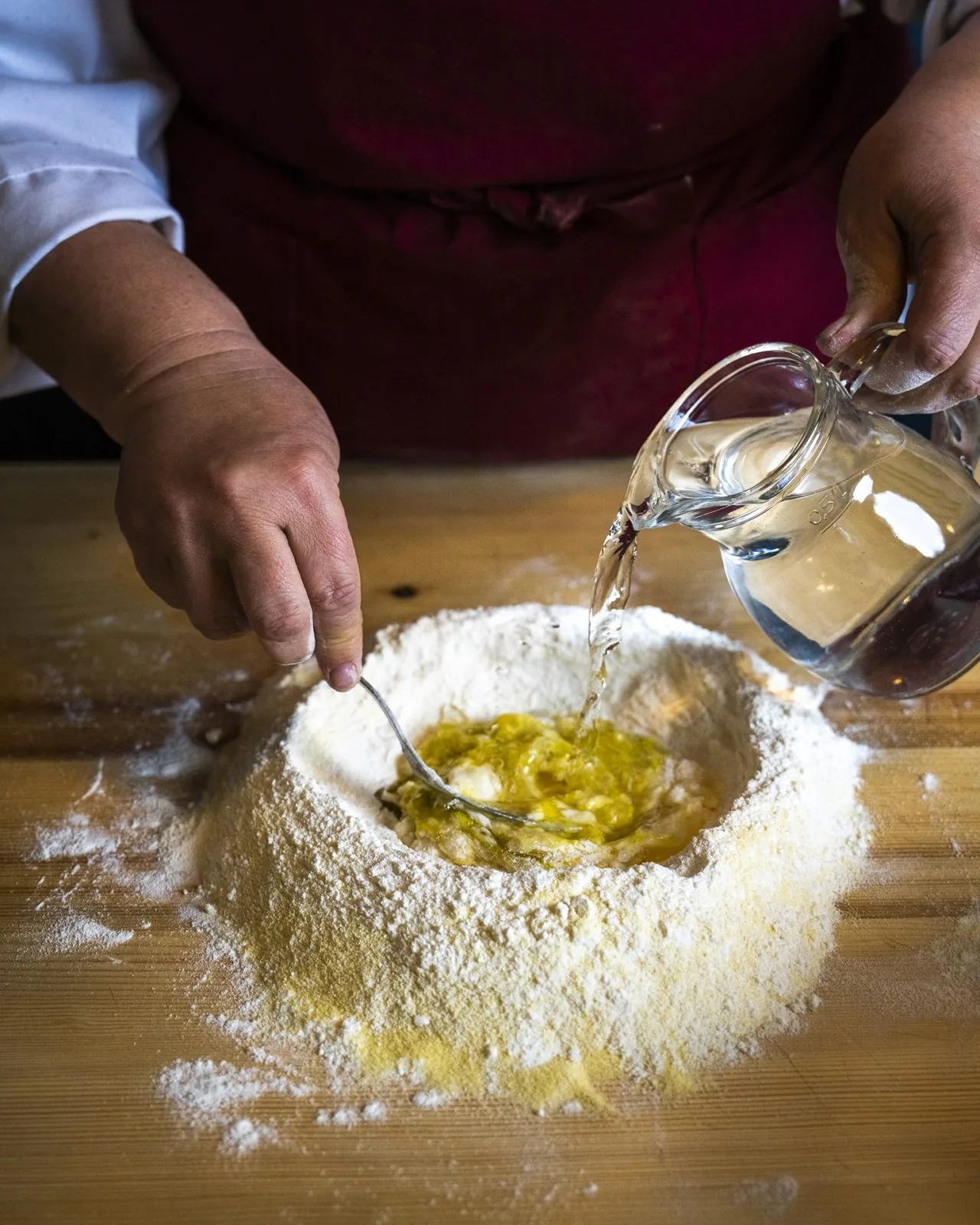
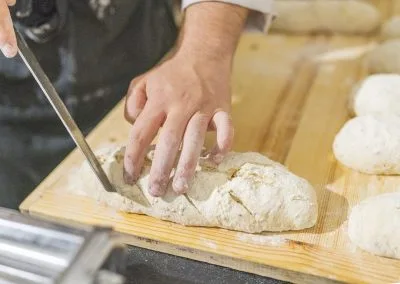
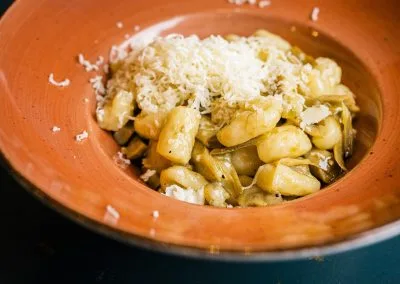
Pasta is still made entirely by hand, using ancient-grain flours and organic eggs from the Tuscia region. Among the signature dishes, the pici all'amatriciana stands out: a hand-rolled pasta typical of the Etruscan tradition, served with San Marzano DOP tomatoes, guanciale from free-range pigs raised by the Stefanoni brothers in Viterbo, and pecorino from a local artisan cheesemaker. This dish was awarded the title of best amatriciana in Italy by Vinous. Another classic is the cinghiale alla Viterbese, wild boar hunted in the Tuscia woods, slow-cooked with San Marzano tomatoes, taggiasche olives, and bay leaf. To finish, the torta alla nocciola features Tonda Gentile Romana hazelnuts grown in Caprarola, paired with a Marsala zabaglione.
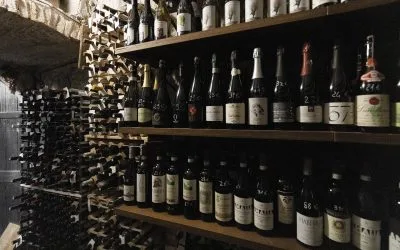
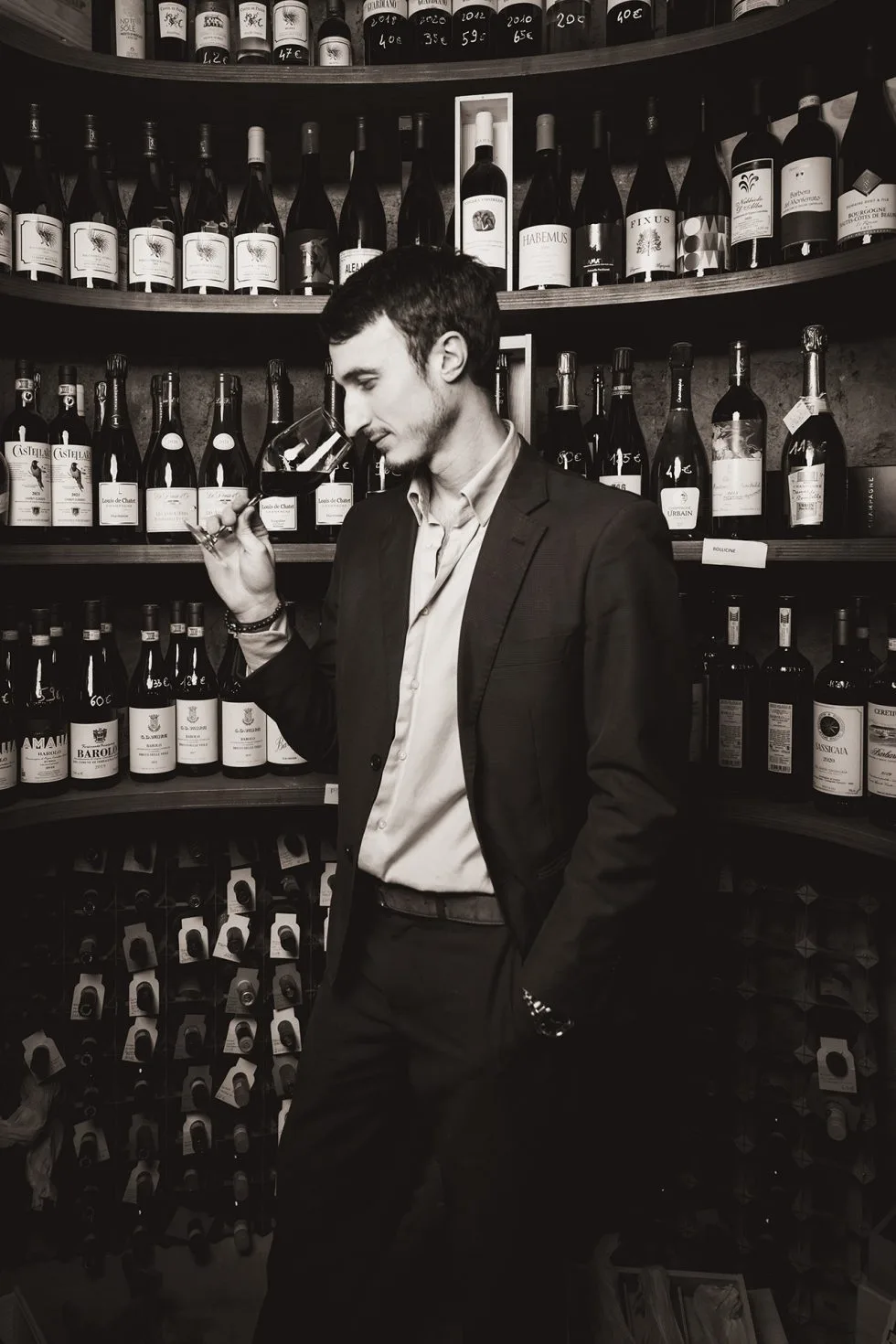
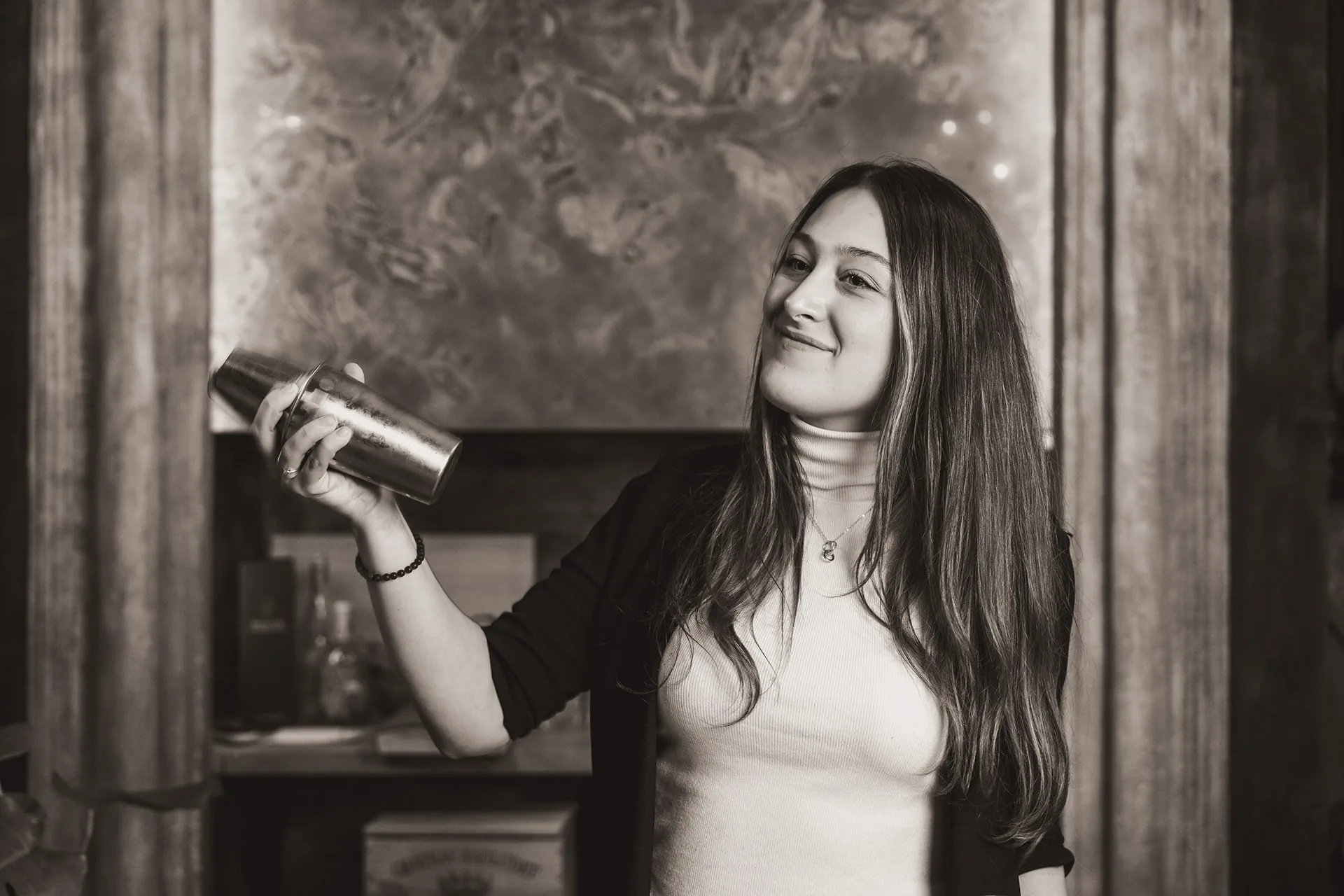
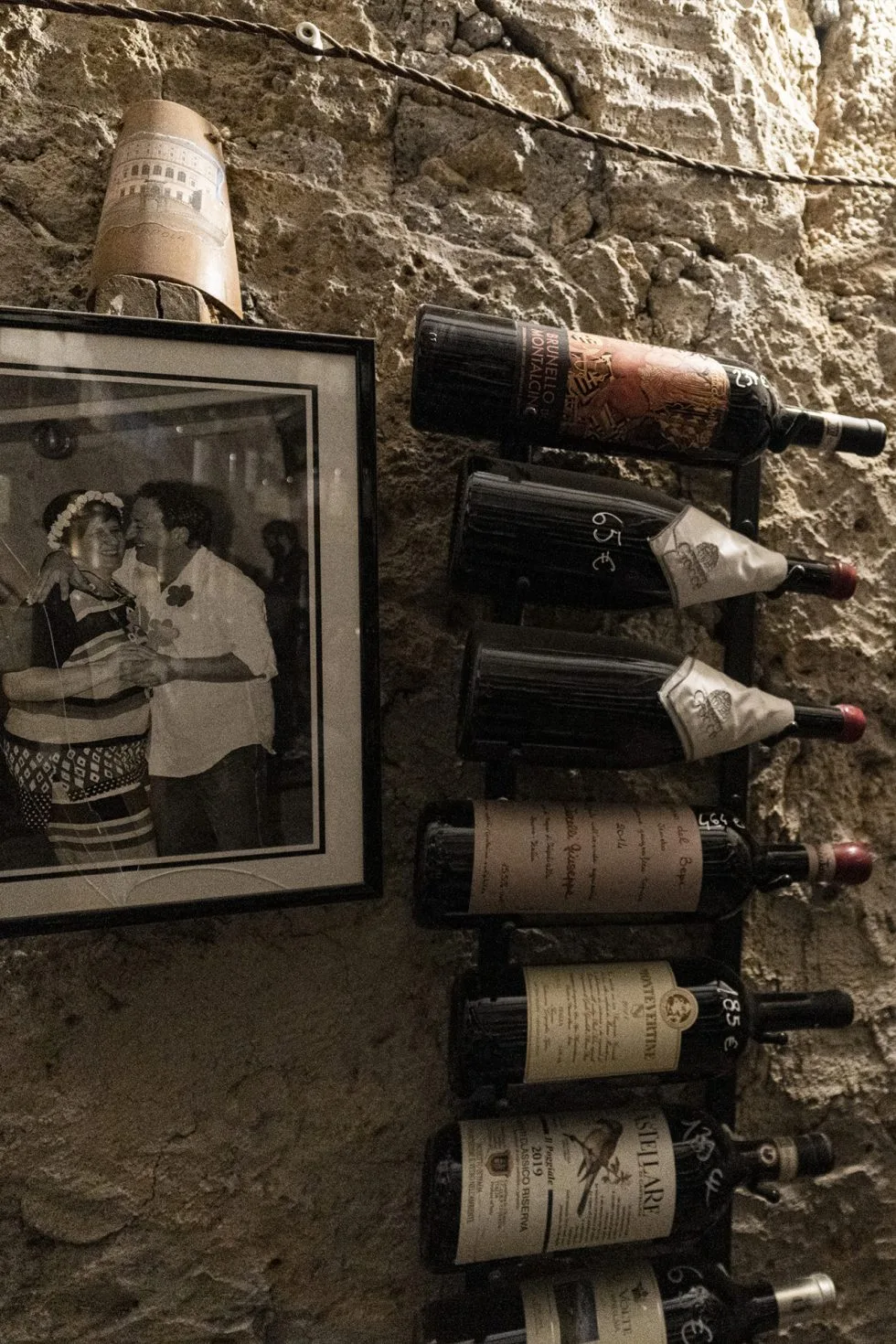
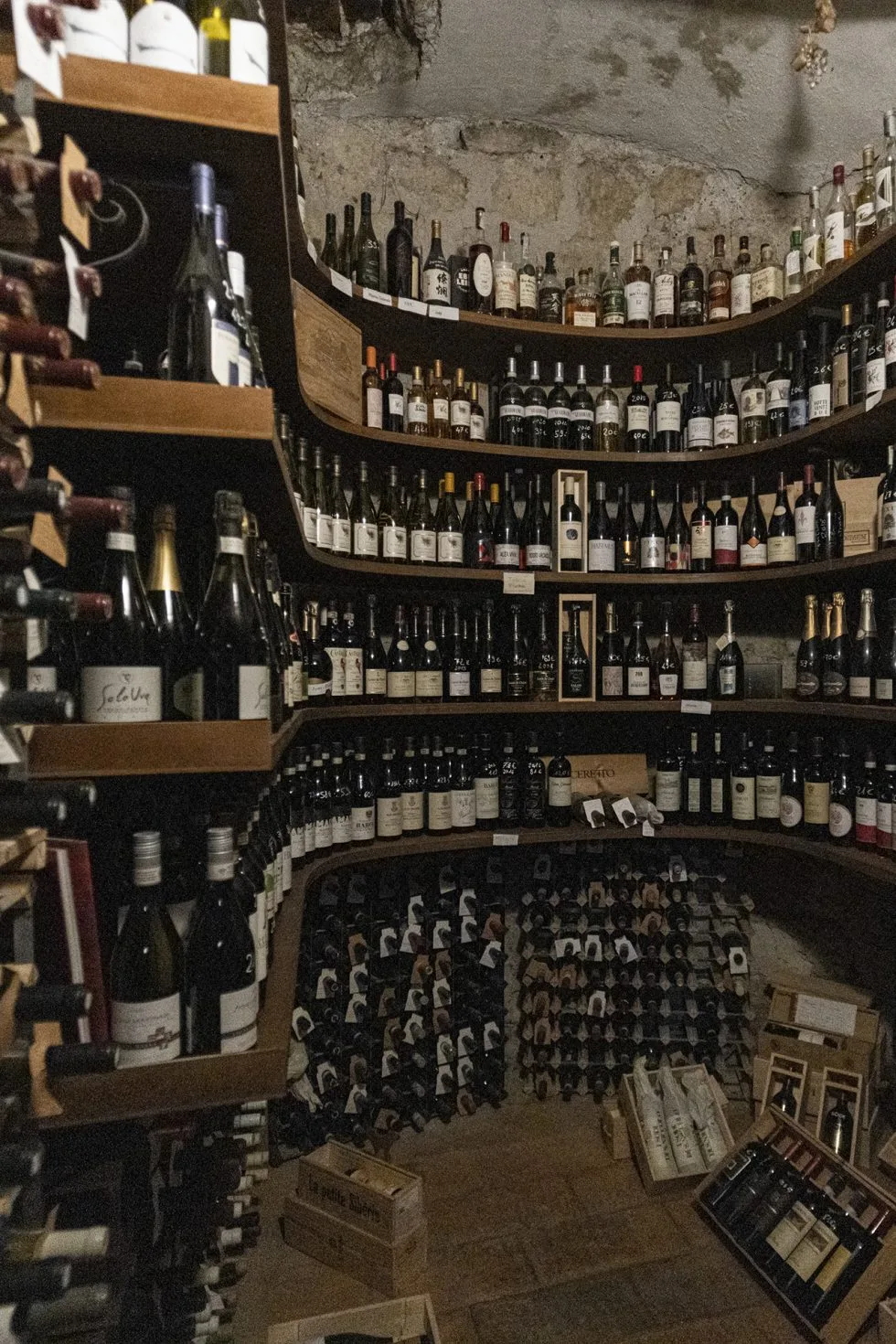
The wine list, which has earned its own accolades, focuses on labels that honour the concept of terroir. Alongside well-known names, it features small producers whose wines reflect their specific microclimate, soil, and grape variety — a philosophy that aligns perfectly with the kitchen's approach. The result is an experience that feels both deeply rooted and quietly refined, recognized by the Michelin Guide with a Recommended distinction for its authentic Italian cuisine.
Recognition

Ambience
Details
Location