
The story
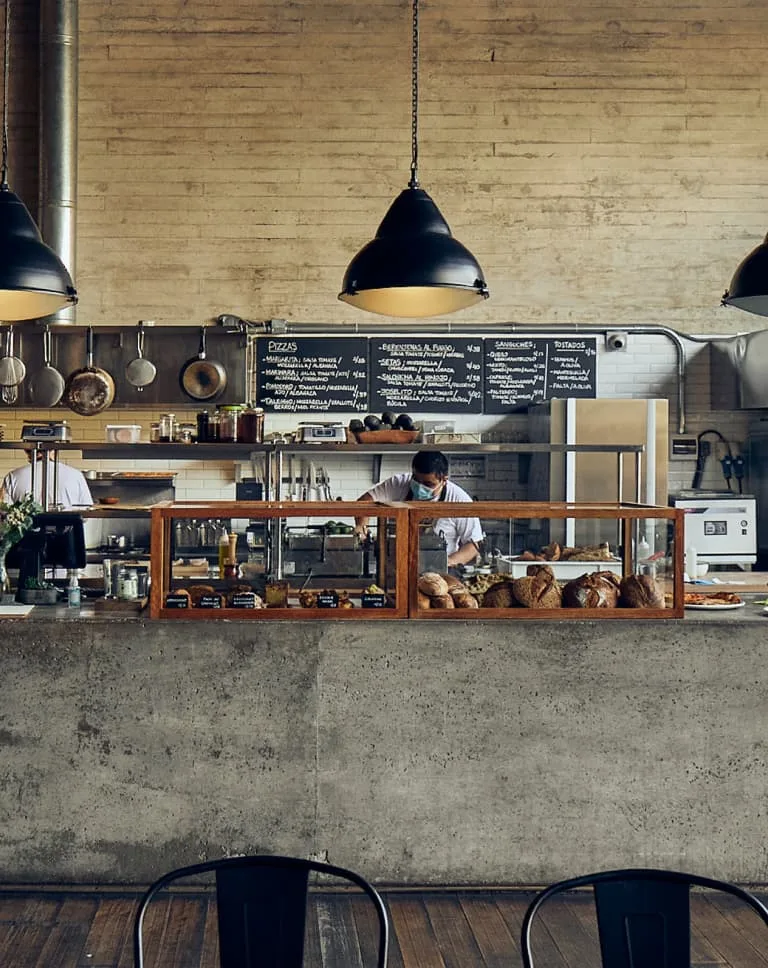
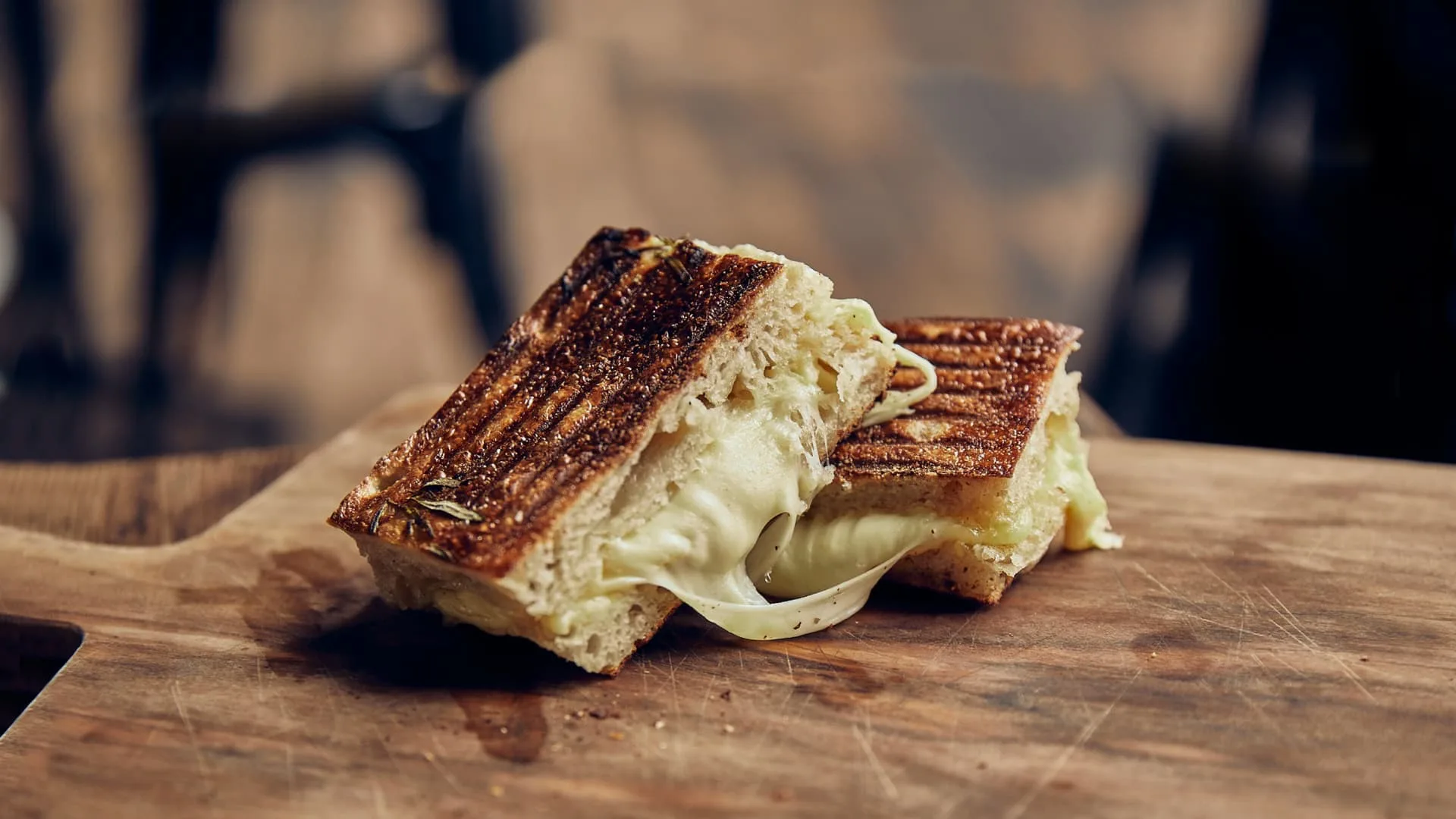
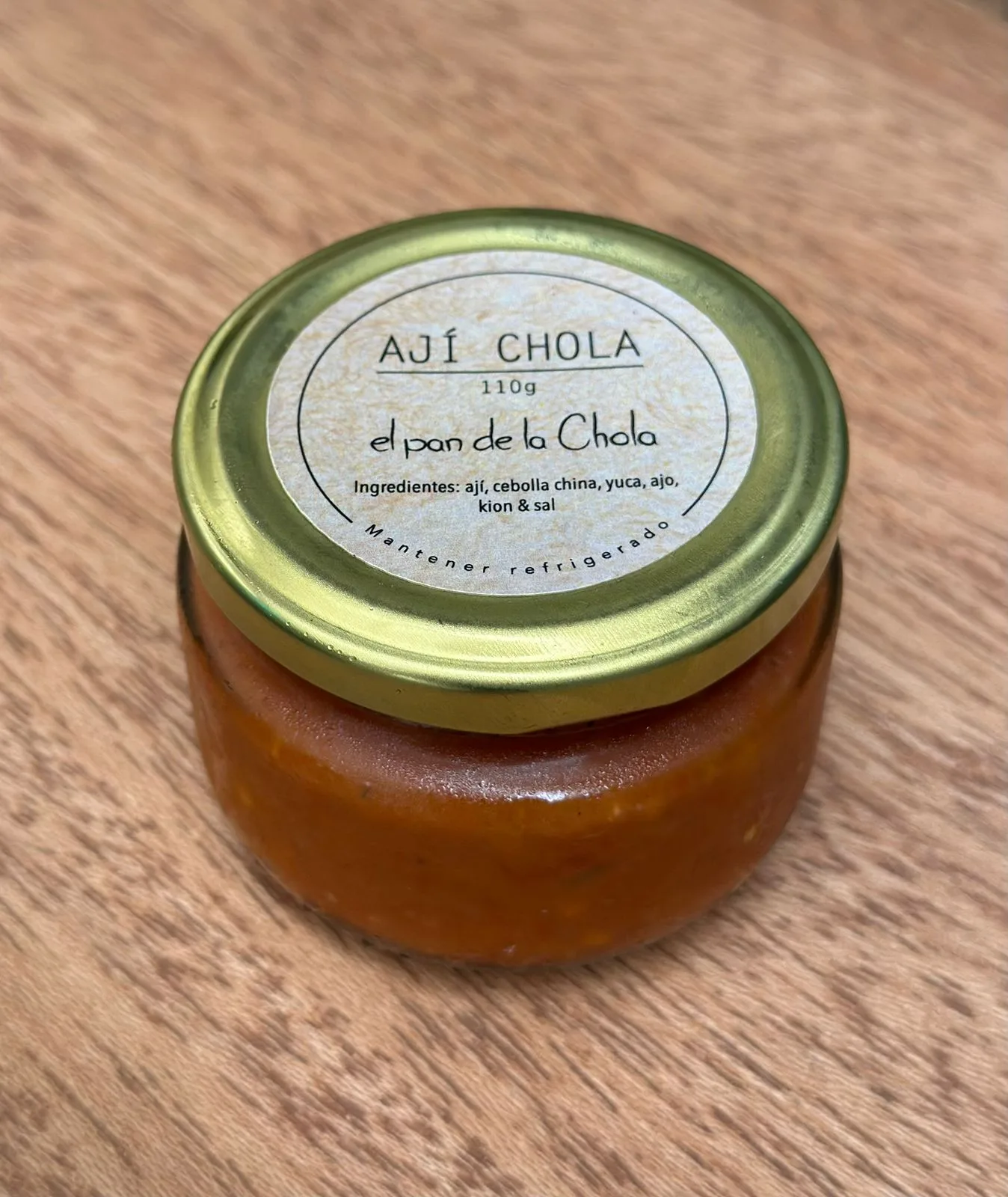
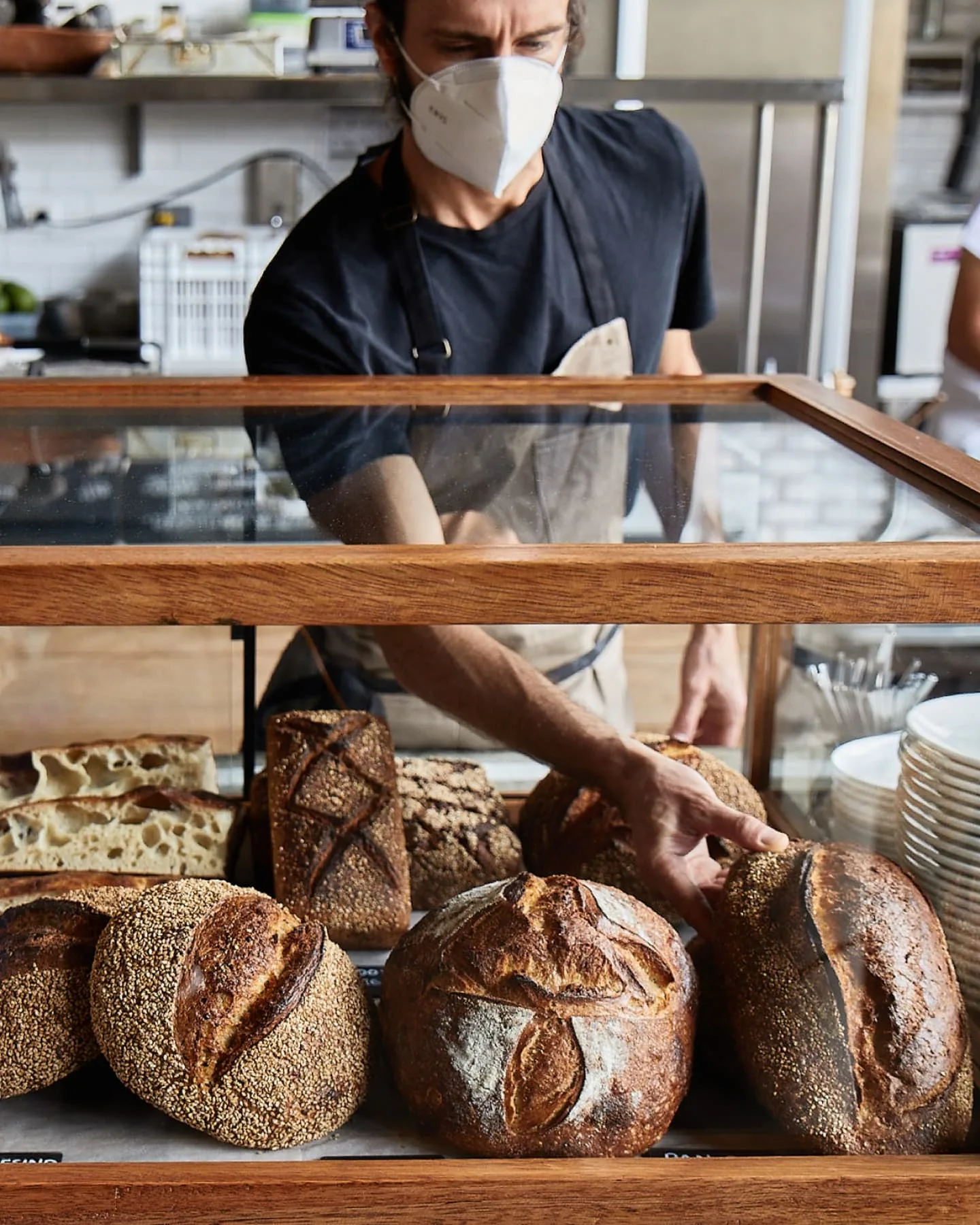
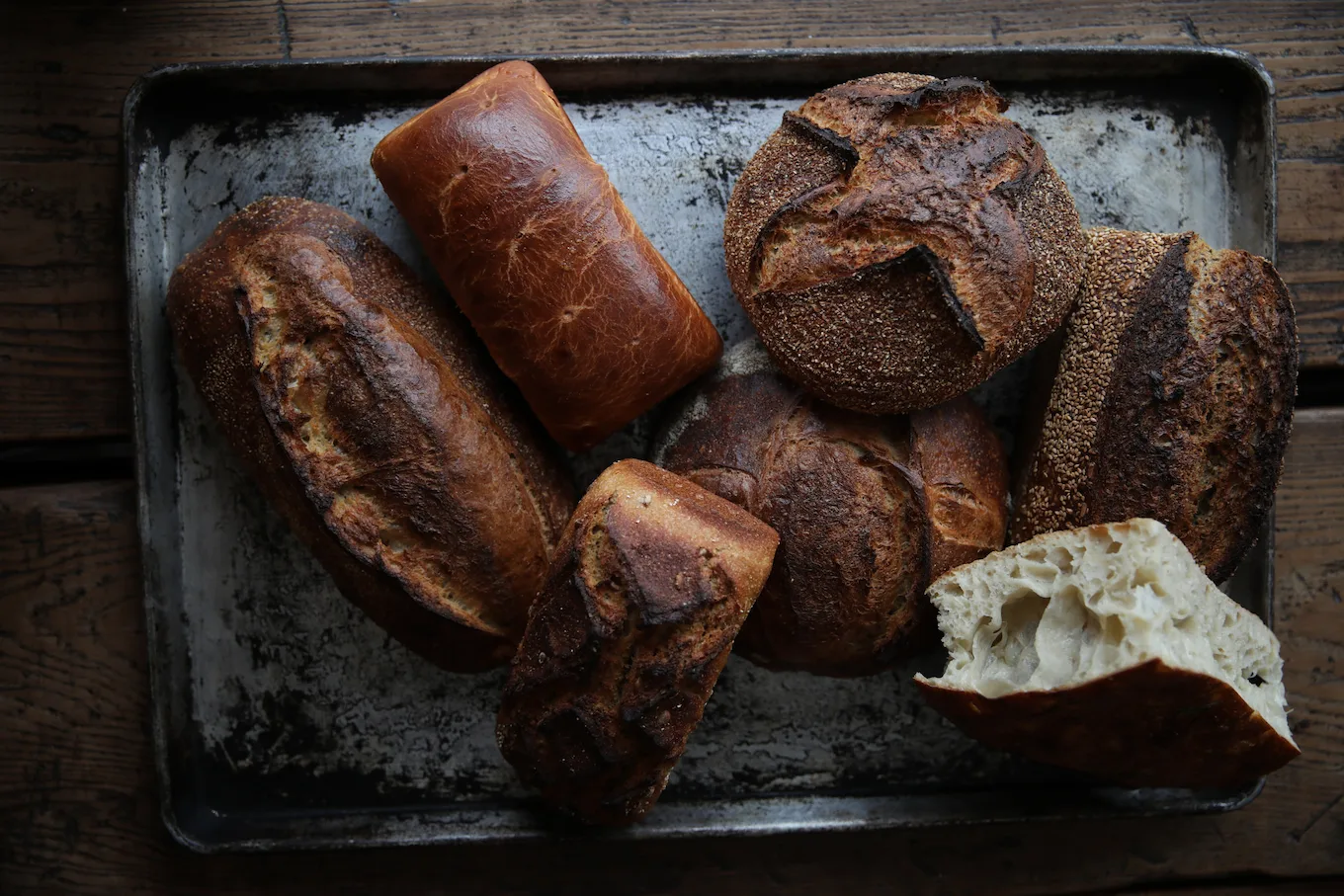
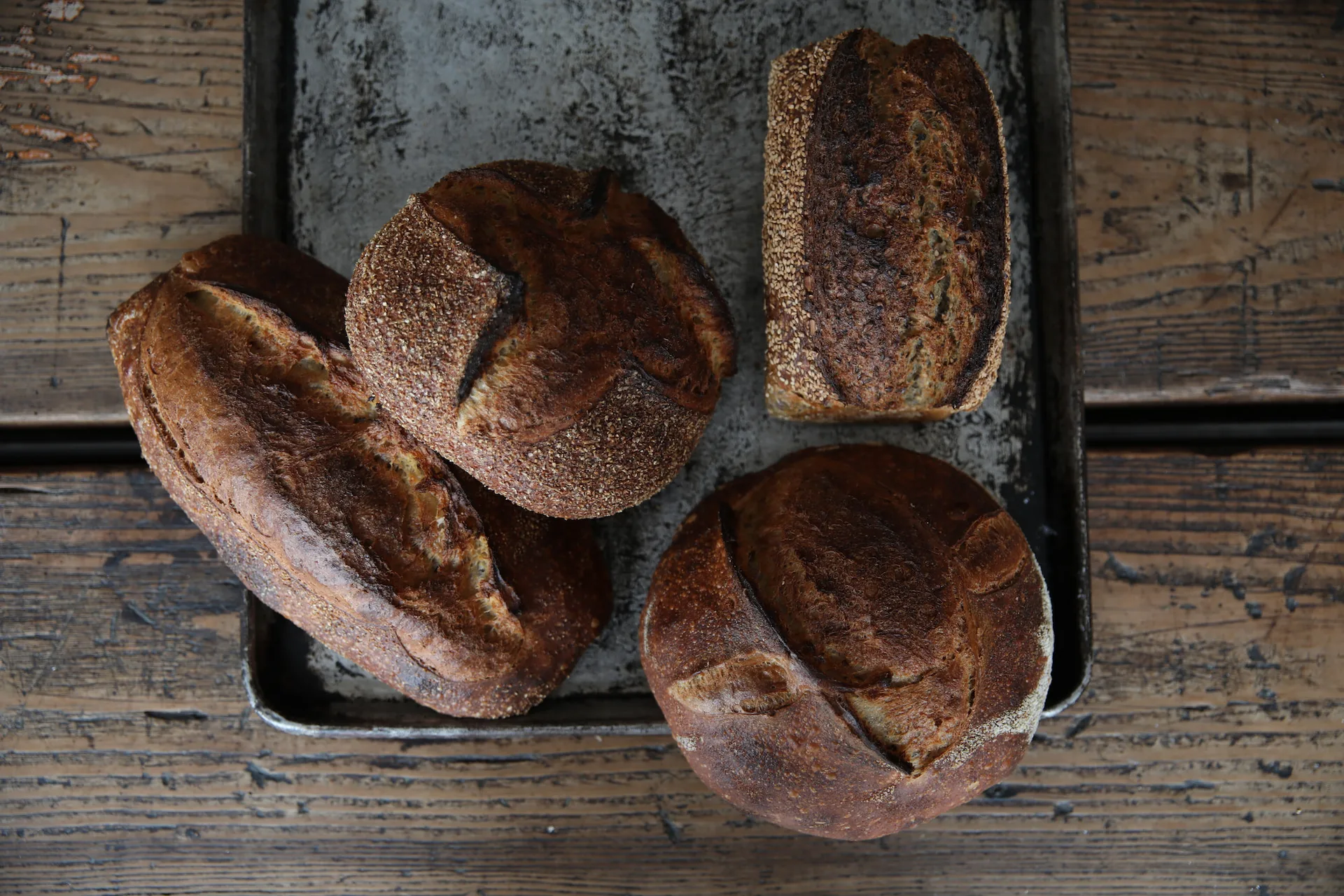
El Pan de la Chola in Lima defines contemporary artisanal bread through a philosophy born from personal necessity rather than commercial ambition. In 2011, curiosity about domestic baking led to experiments that convinced the founder's family to open the first space on Avenida La Mar. The original concept featured an open workshop where visitors could observe the baker's craft directly. This transparency reflects a commitment to simple processes, focusing on flour, salt, and water to create loaves that respect natural fermentation rhythms.
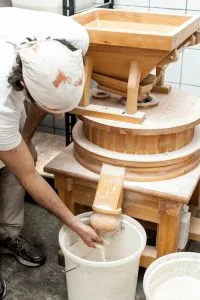
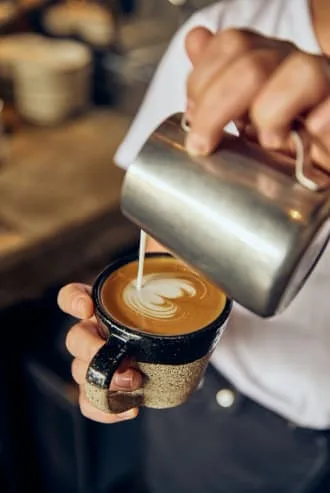
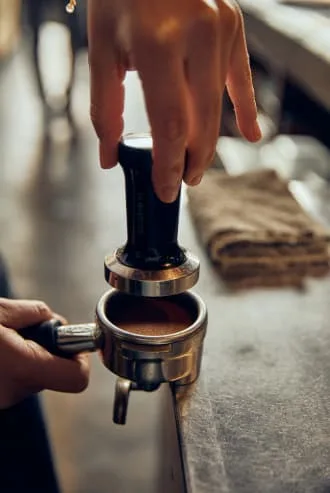
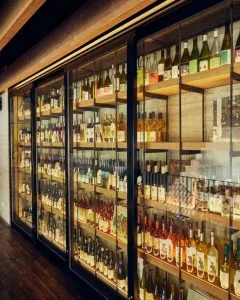
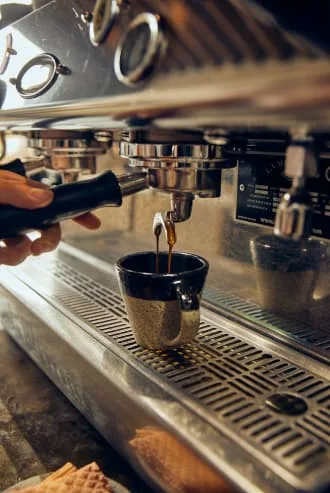
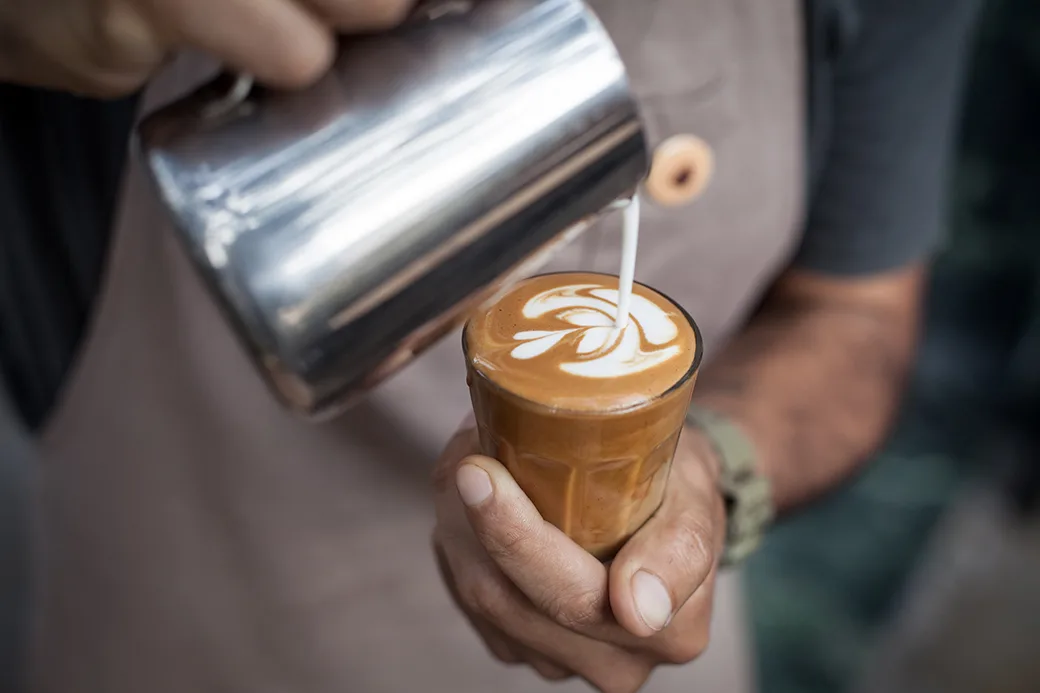
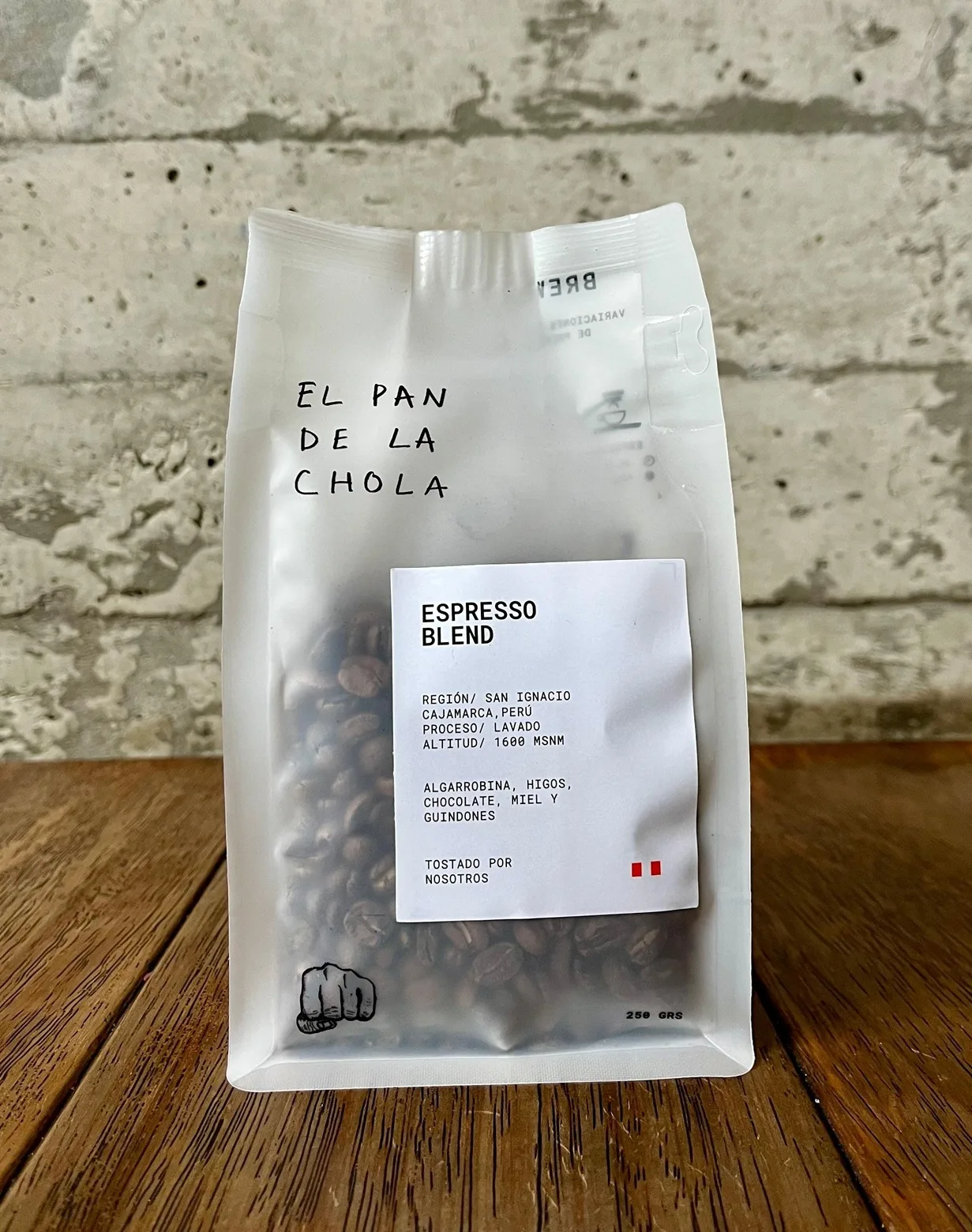
Every integral flour arrives at the dough stage after being ground on-site using a traditional granite stone mill. This method prevents overheating the cereal, preserving aromatic and nutritional qualities while allowing the team to source grains from regions including Cajamarca, Cuzco, and Ayacucho. Weekly milling sessions process wheat, kamut, rye, oats, and rice directly within the bakery. The bread program pairs seamlessly with their curated coffee blends, roasted by partners in Moyobamba, and a selection of low-intervention natural wines chosen to complement the acidity of fermented doughs.
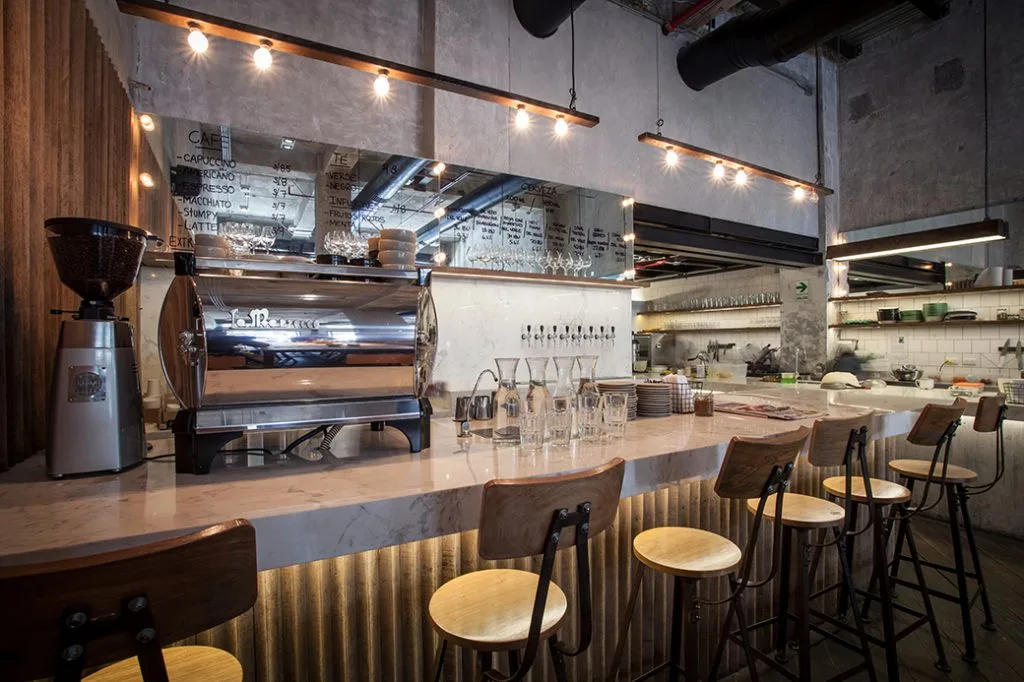
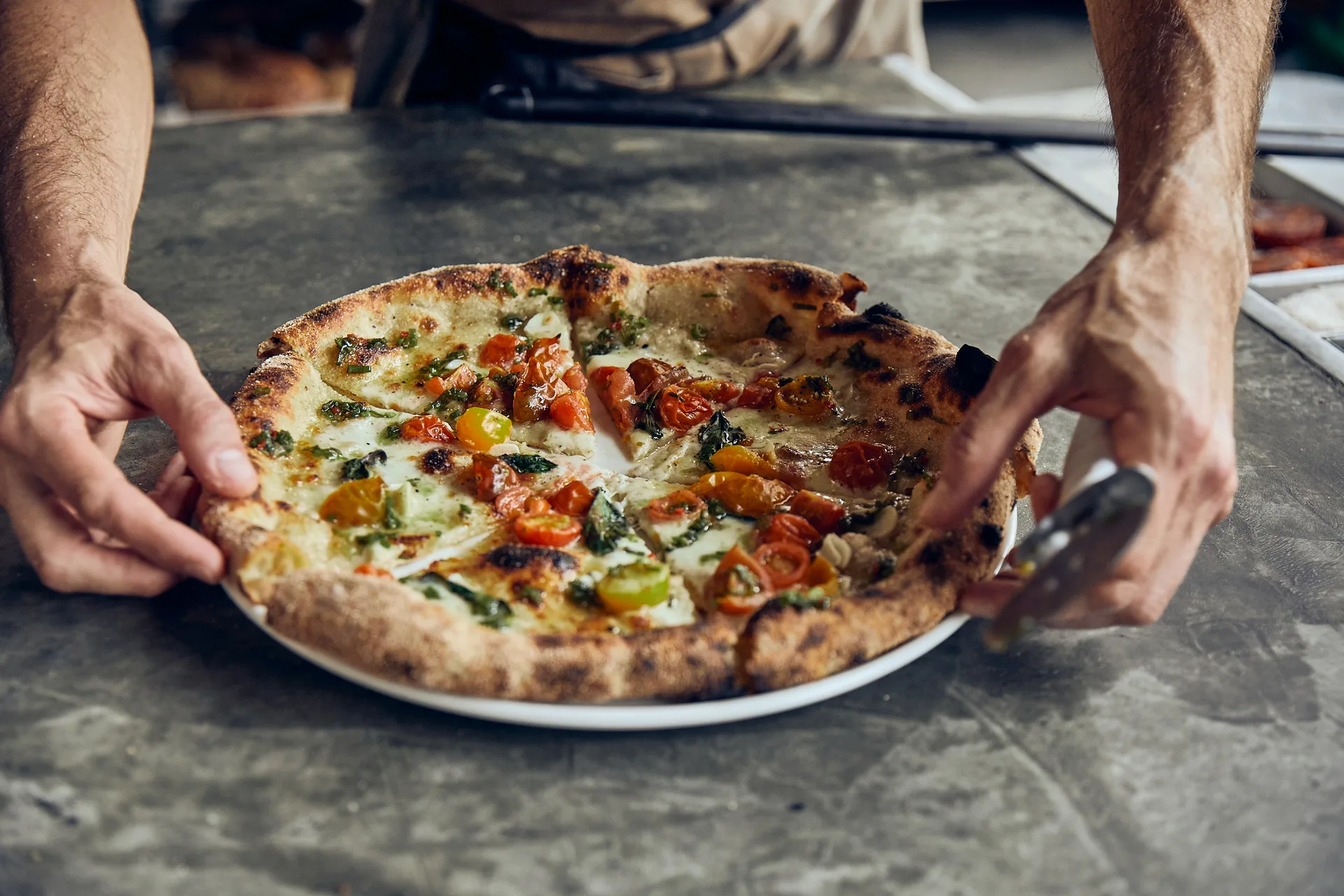
Success at the original location sparked organic growth, leading to new spaces like Dasso in San Isidro and Brunch & Pizza near the starting point. Each addition maintains the core values while introducing distinct elements, such as pizzas baked using natural fermentation processes or taps featuring craft beers alongside natural wines. The brand's dedication to sustainable operations and responsible sourcing earned recognition from the We're Smart Green Guide, which awarded three radishes in 2026. This accolade highlights a business model built around longevity, where the pursuit of exceptional artisanal bread coexists with strict environmental standards.
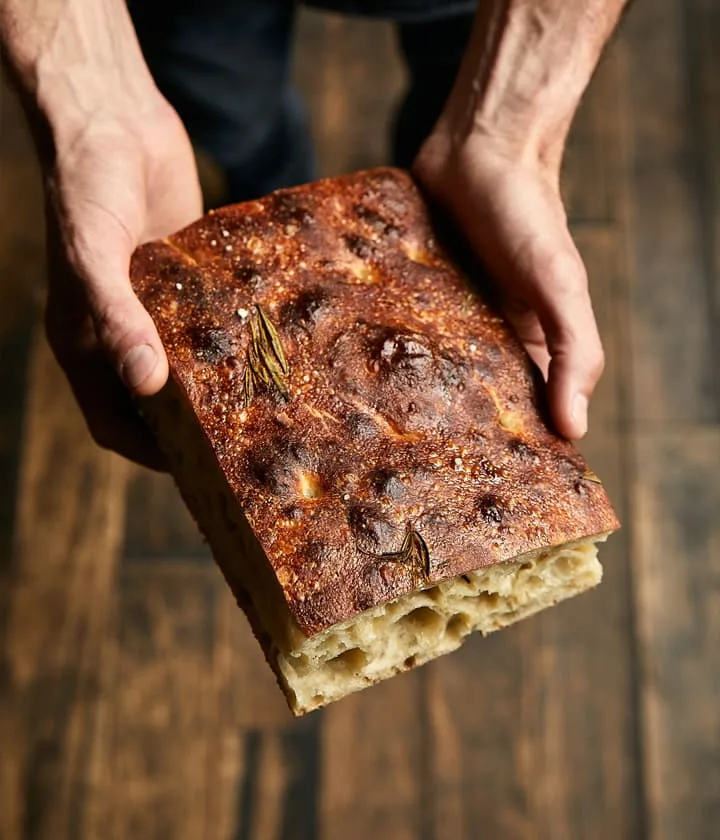
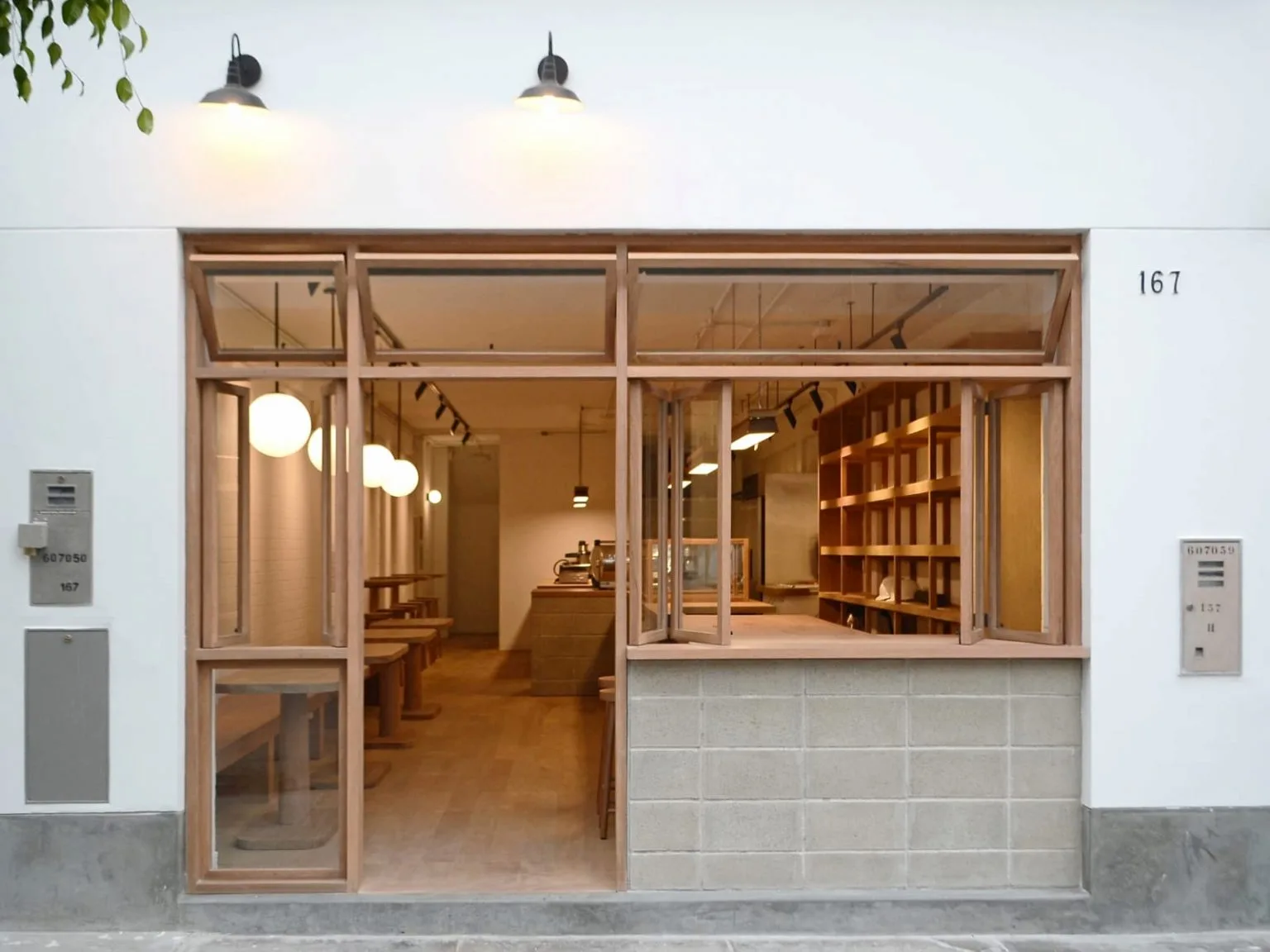
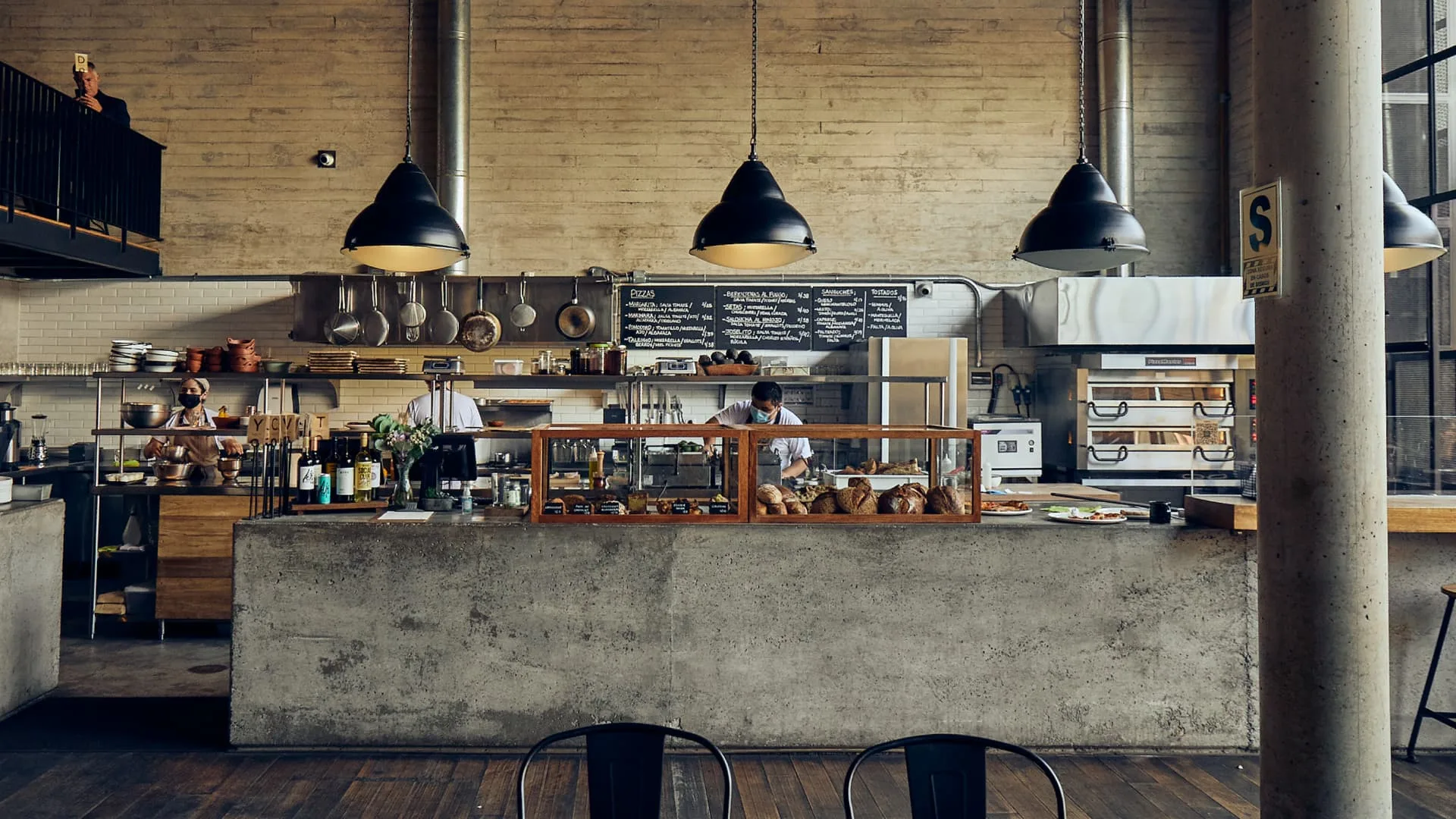
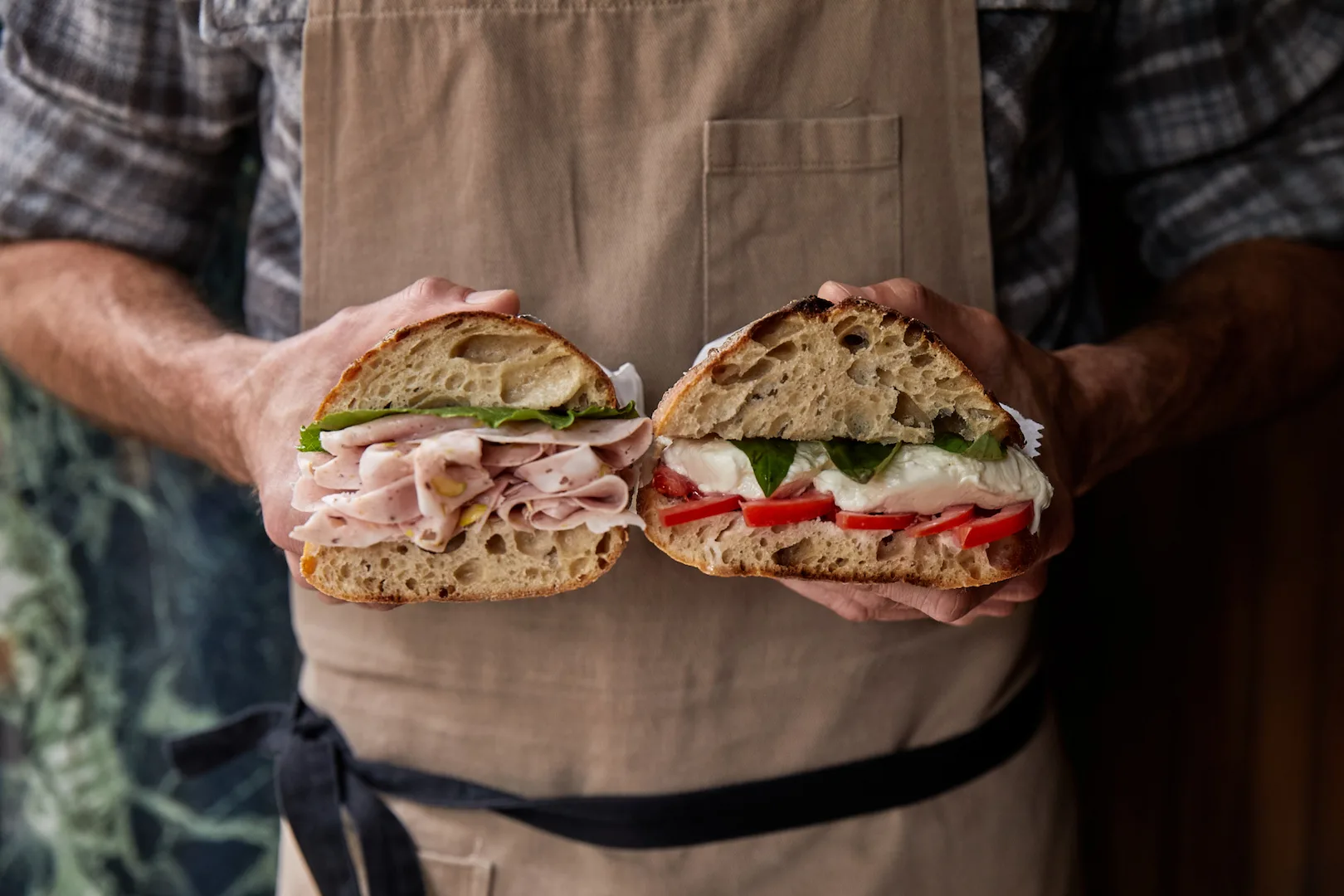
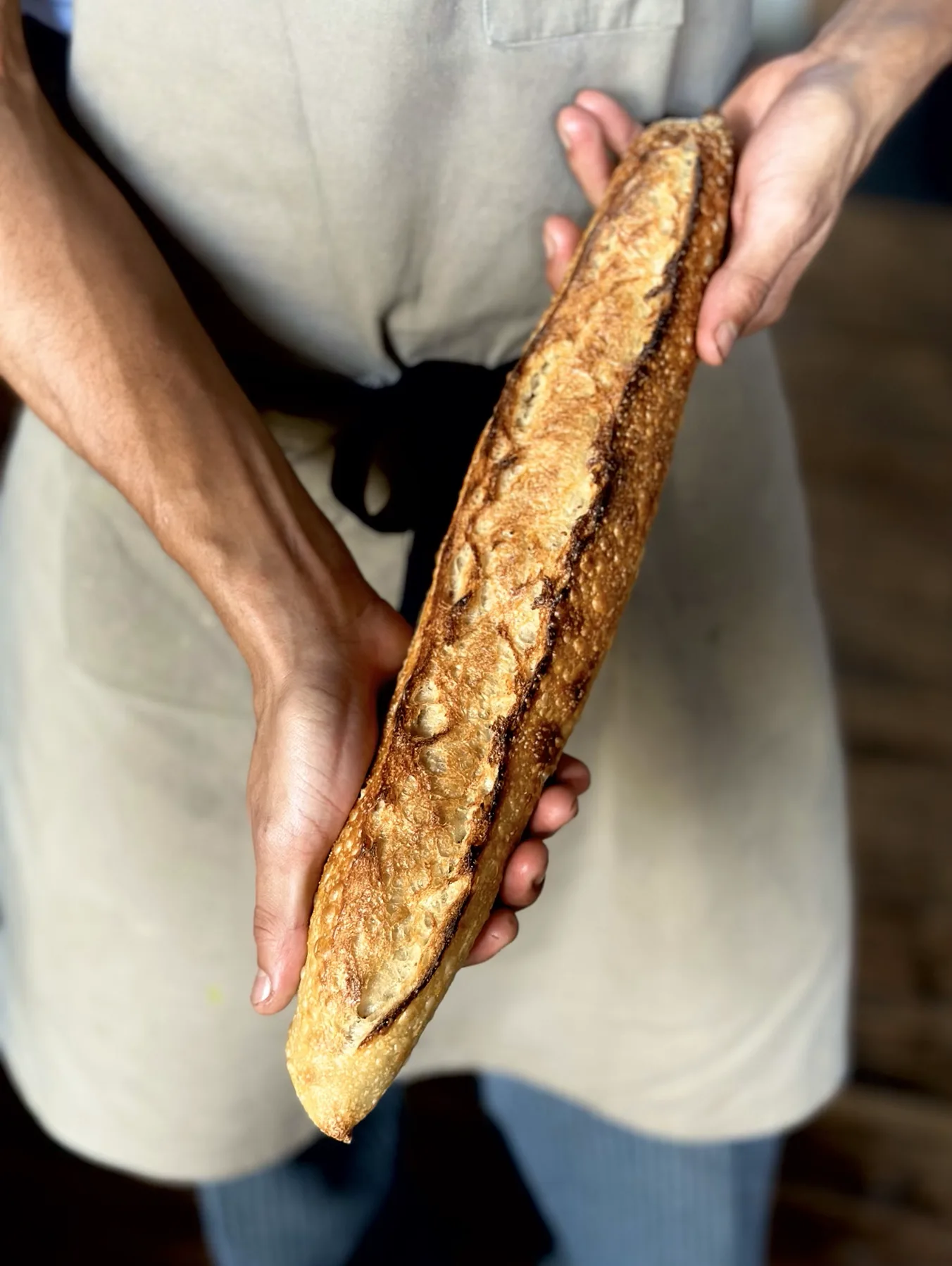
The interior design across locations prioritizes functionality and simplicity, creating environments that feel accessible rather than formal. Visitors encounter open counters and basic structures that keep the focus on signature baguettes, focaccias, and seasonal offerings. Some sites provide outdoor seating or warm corners that encourage lingering over morning coffee. This approach transforms the act of buying bread into a routine ritual, grounding the urban experience in the comfort of shared food.
Recognition

Ambience
Details
Location


 Facebook
 Instagram