
The story
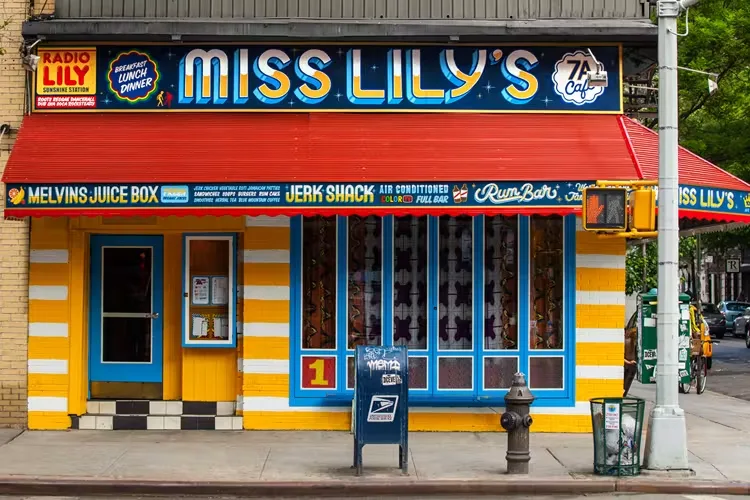
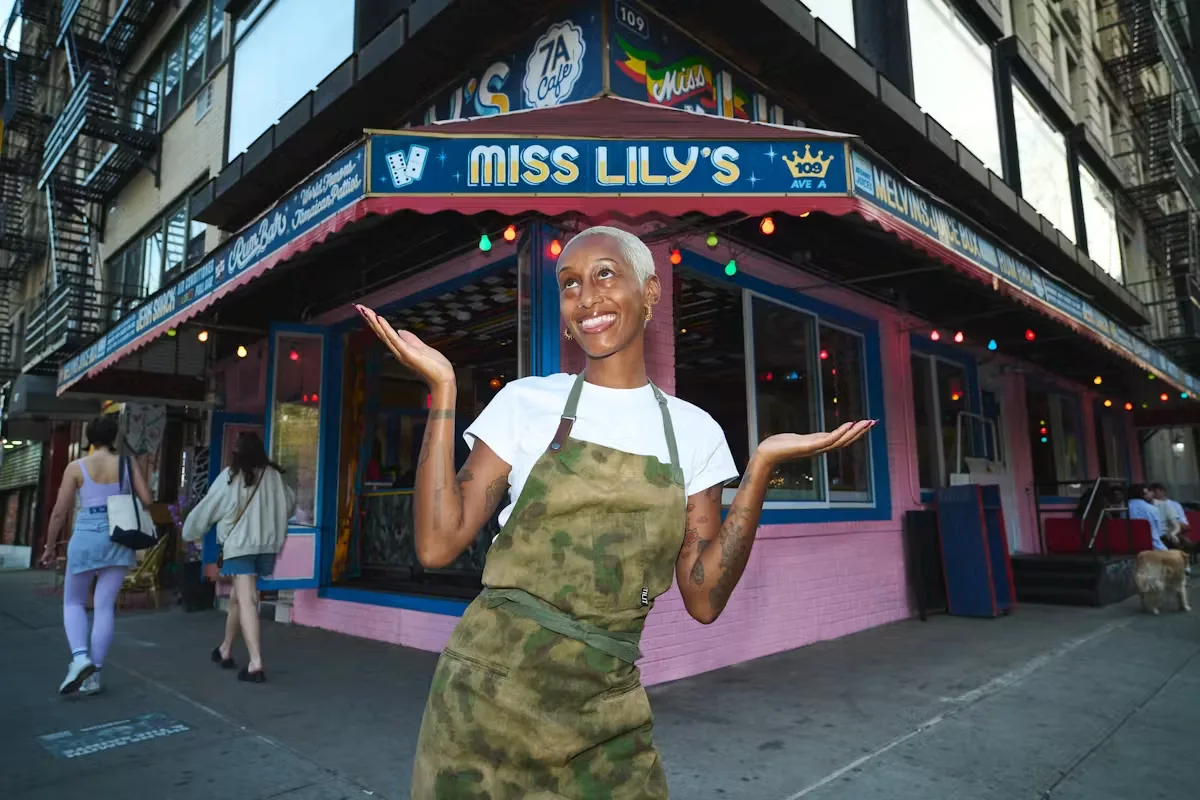
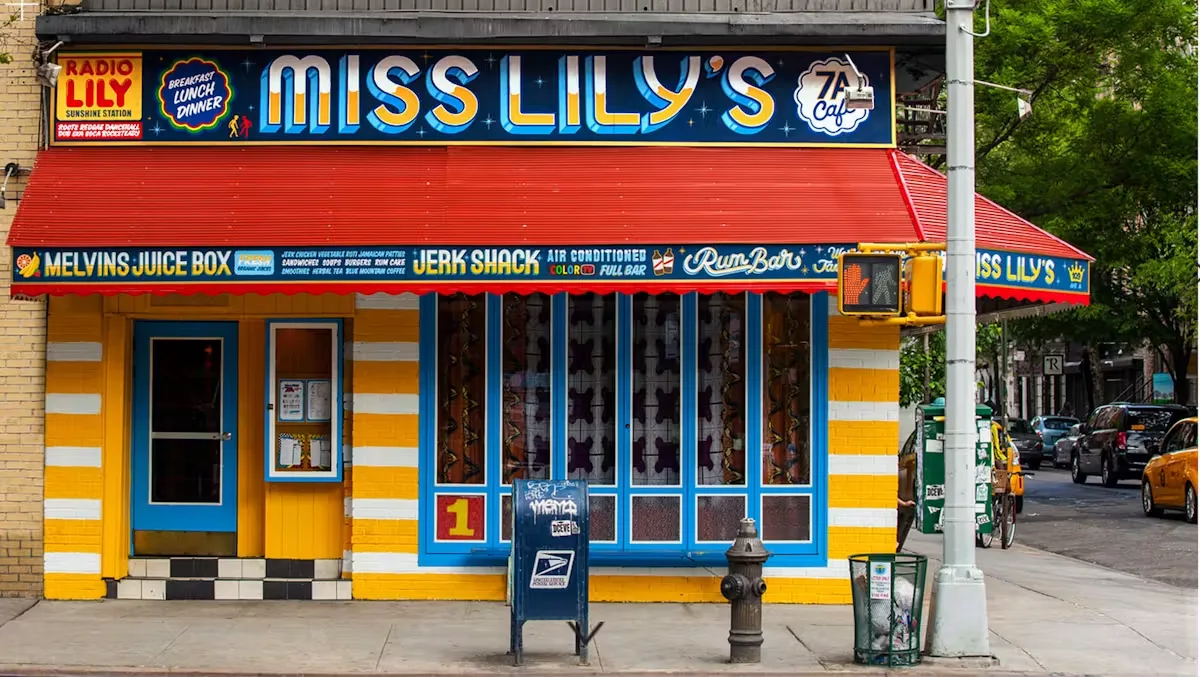
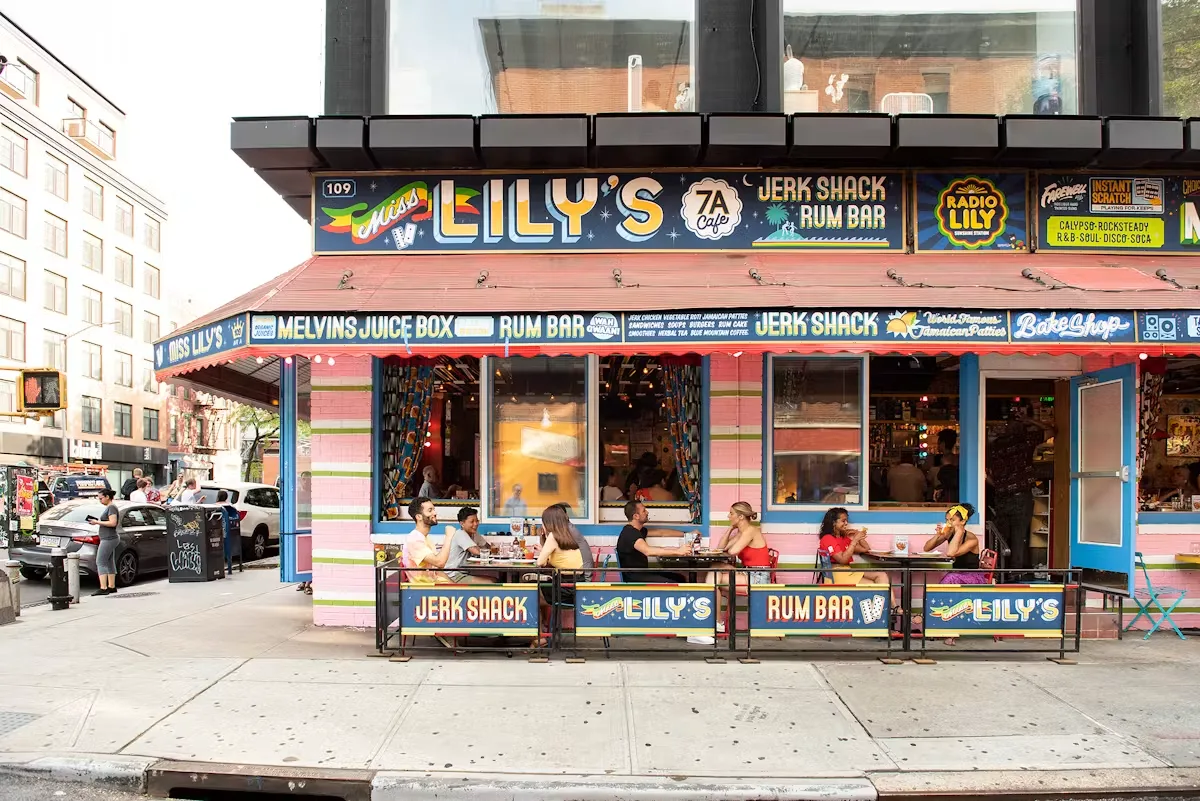
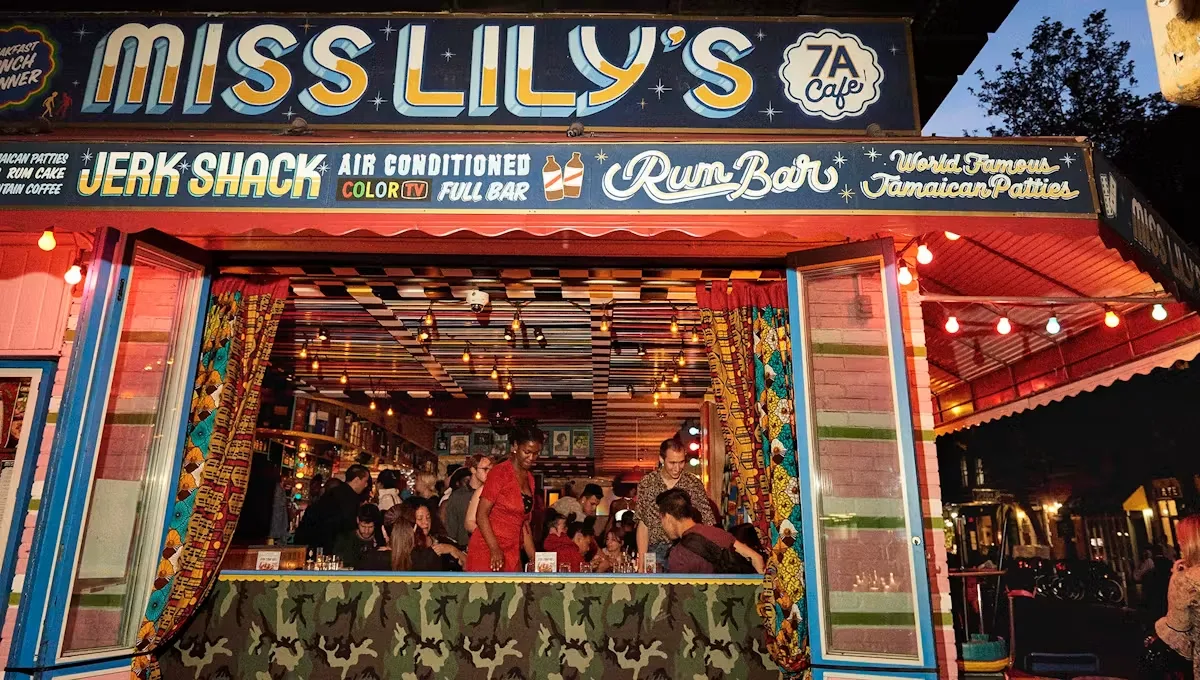
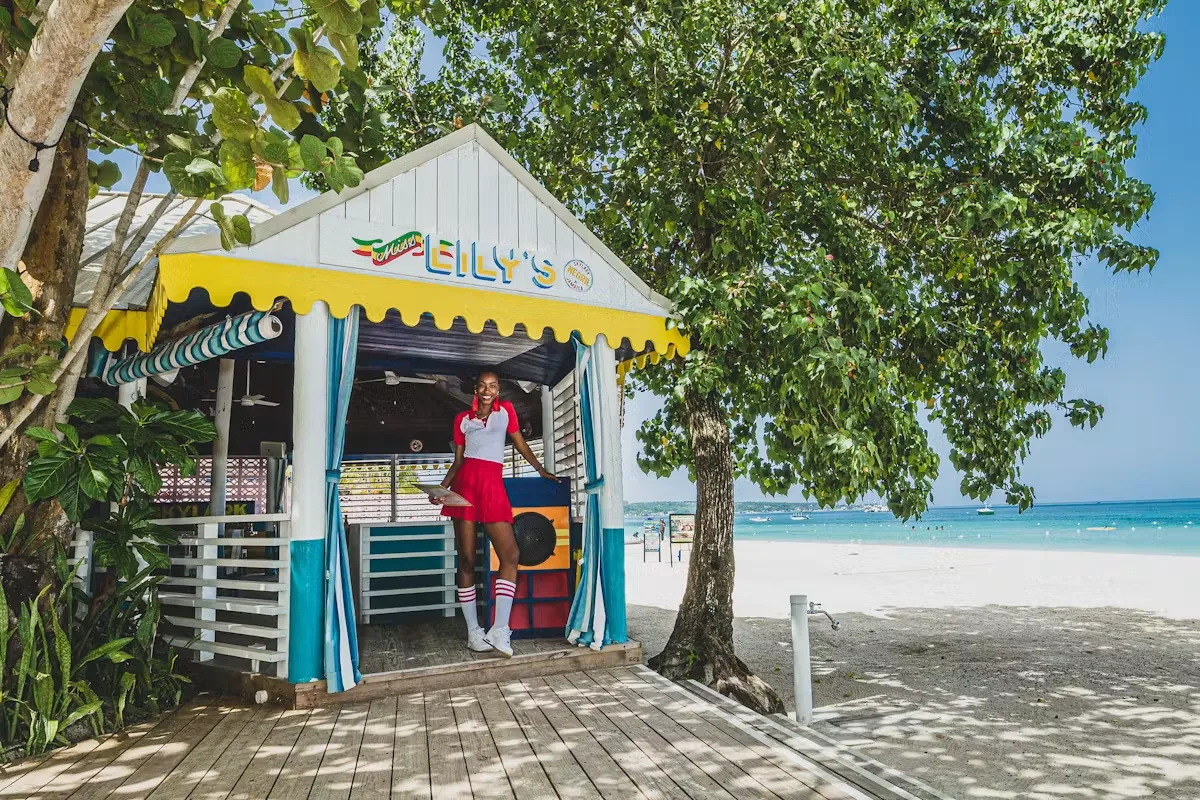
Miss Lily’s 7A sits on the corner of Seventh Street and Avenue A in the East Village, a spot that opened in the summer of 2014. The restaurant is part of a small family of Miss Lily’s locations that includes outposts in Negril, Jamaica, and Dubai, each offering a take on modern Caribbean cooking. The New York City outpost has earned a Michelin Recommended distinction, a nod to the quality and consistency of its kitchen.
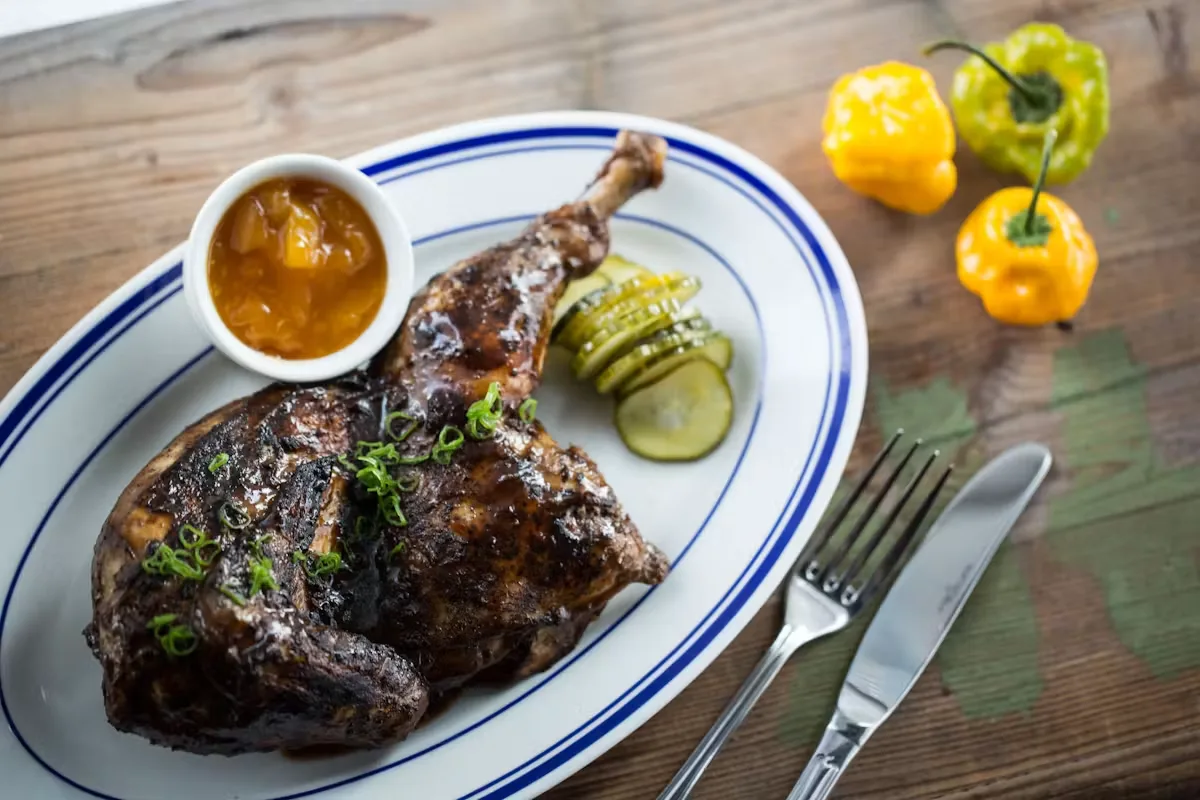
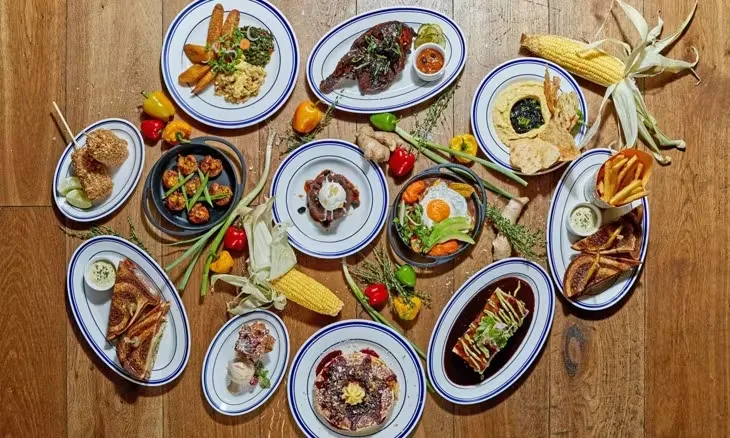
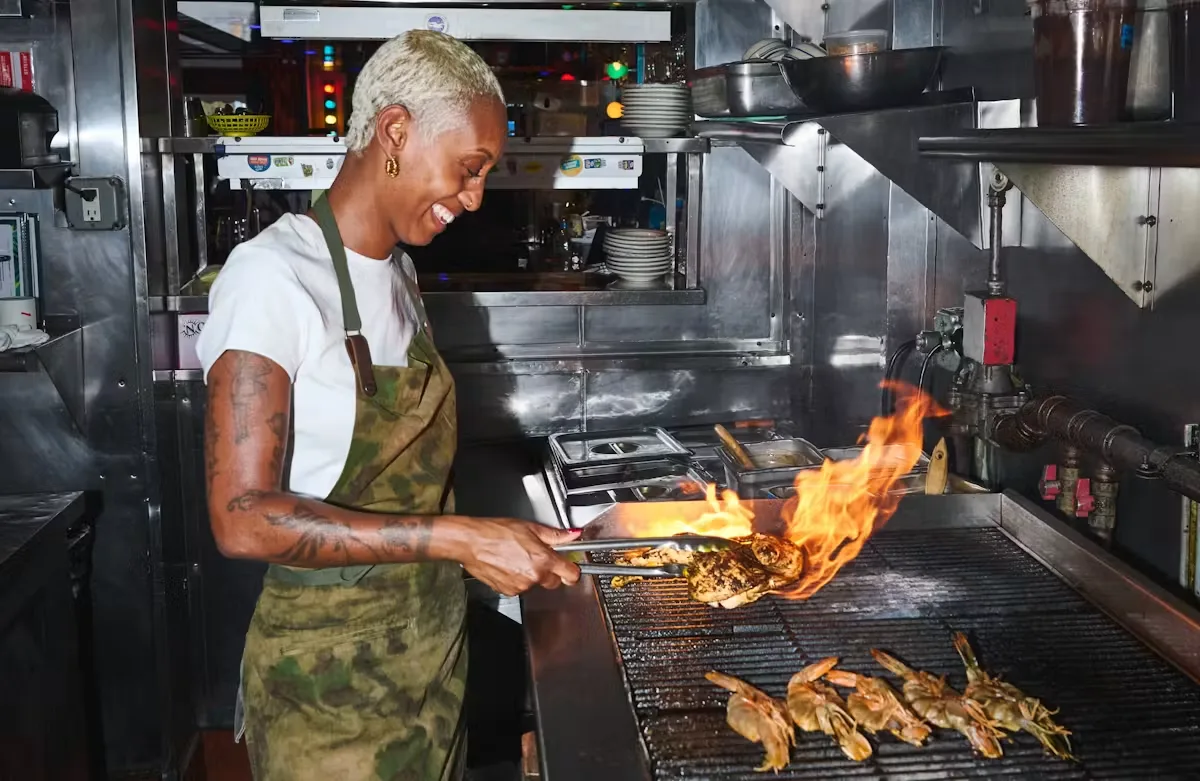
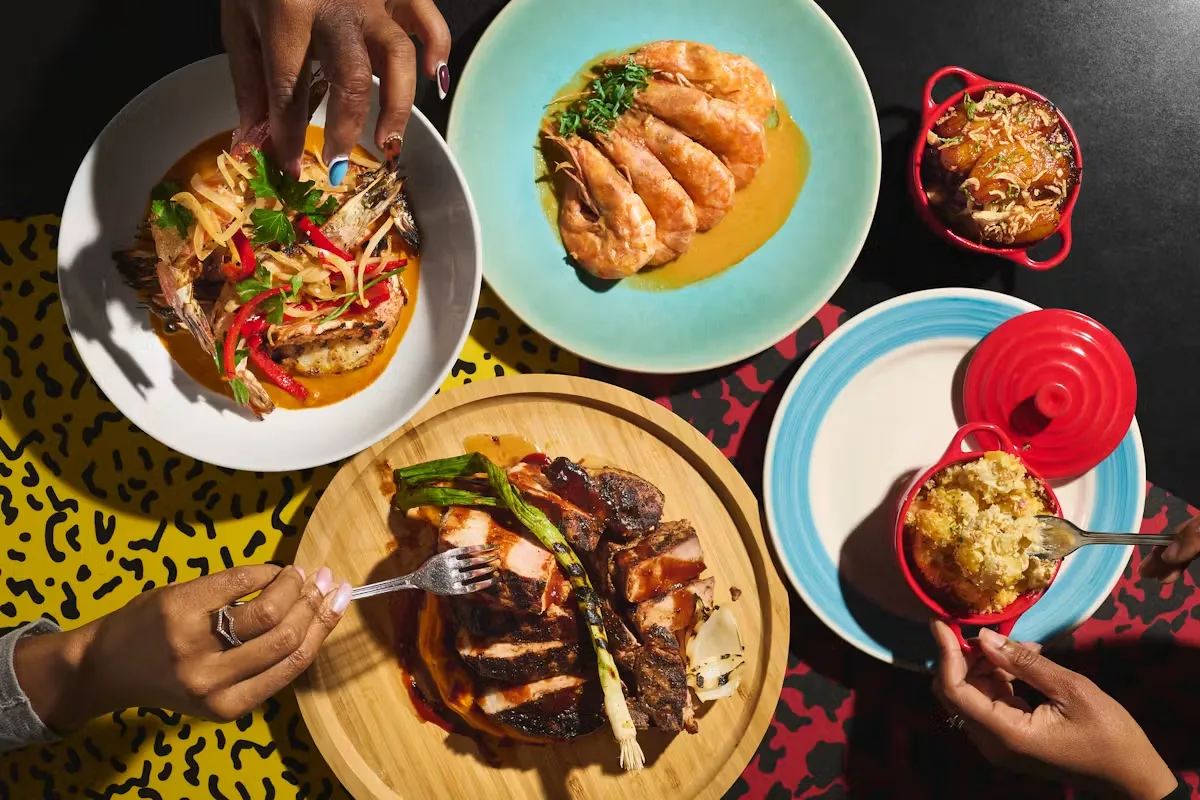
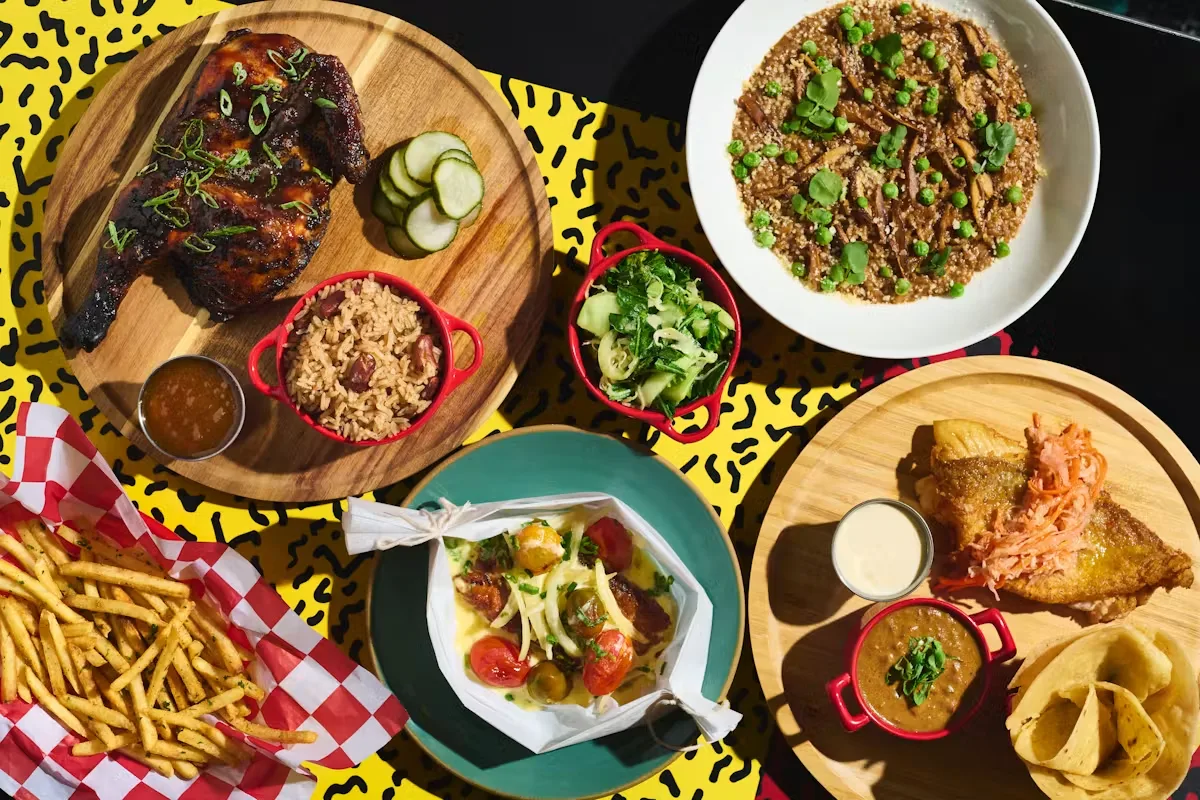
The restaurant has entered a new chapter under culinary director Brittney “Stikxz” Williams, a chef who draws directly on her Jamaican heritage. Williams, who honed her skills at some of New York’s top Michelin-starred restaurants, has debuted a brand new menu that the restaurant describes as globally influenced dishes with Caribbean roots, inspired by the culinary melting pot of New York City. The menu blends innovation and tradition, offering modern renditions of island specialties like jerk chicken, escovitch fish, and oxtail, all seasoned with scotch bonnet peppers and fiery jerk spices.
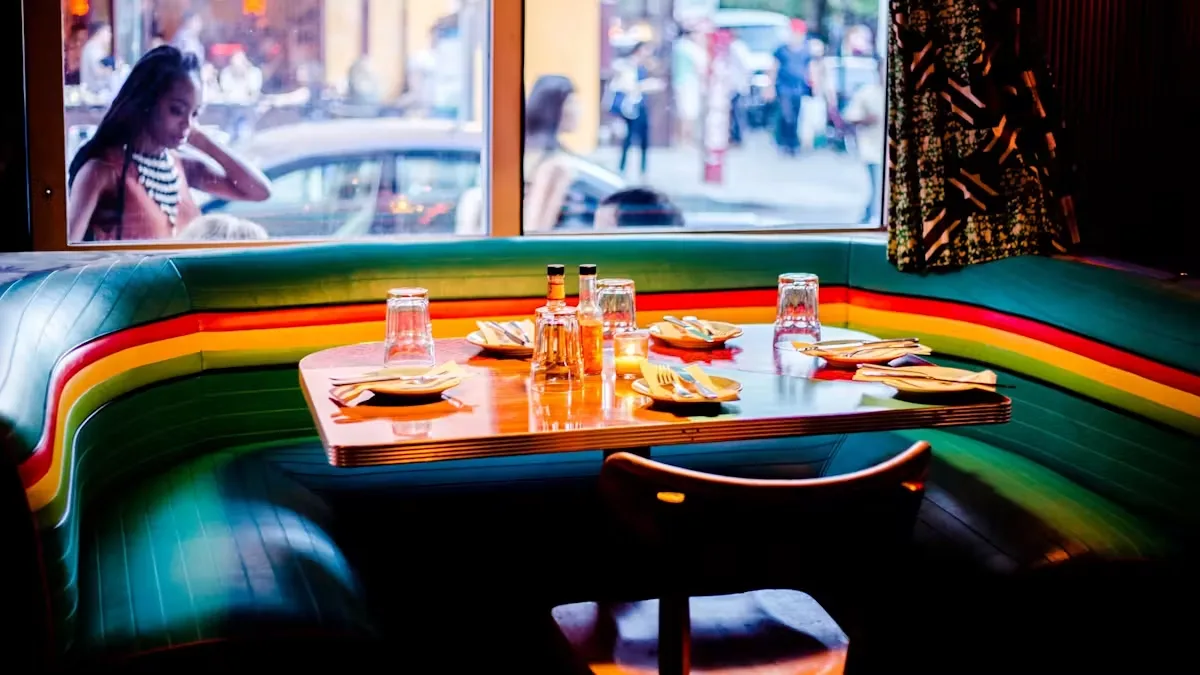
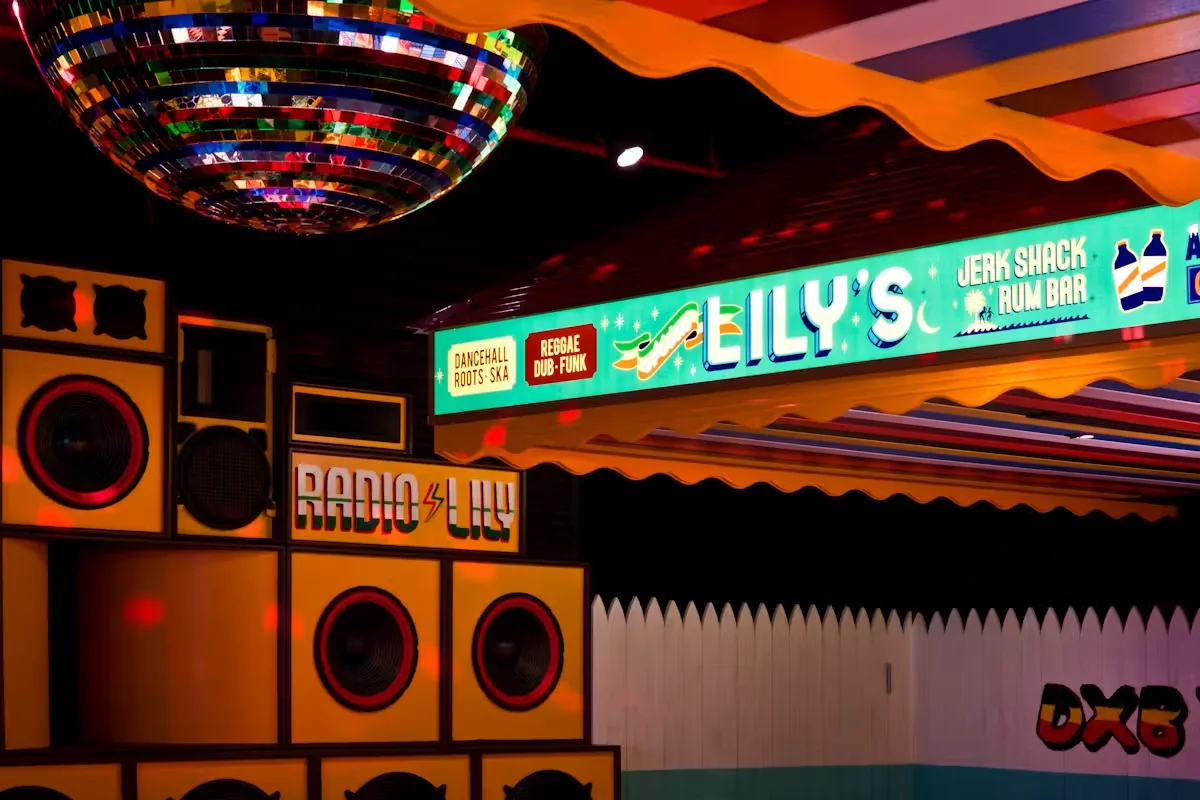
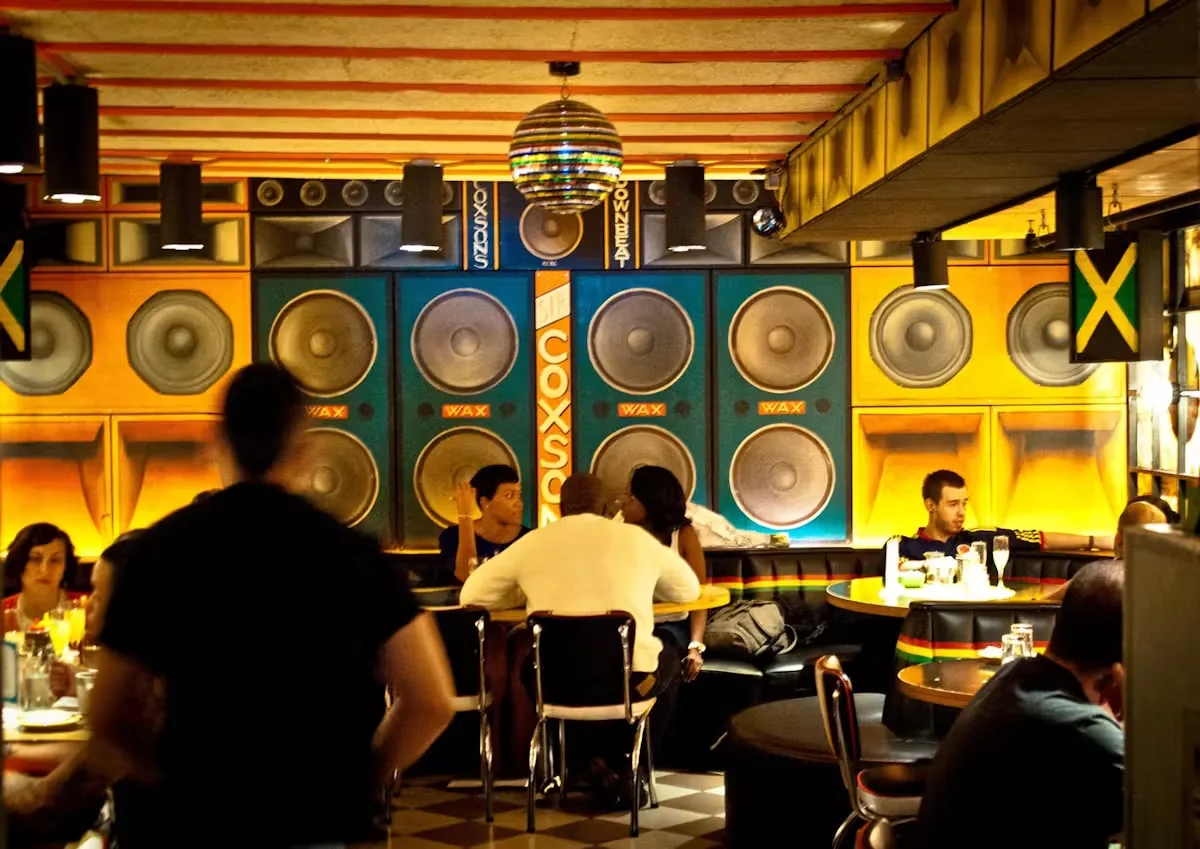
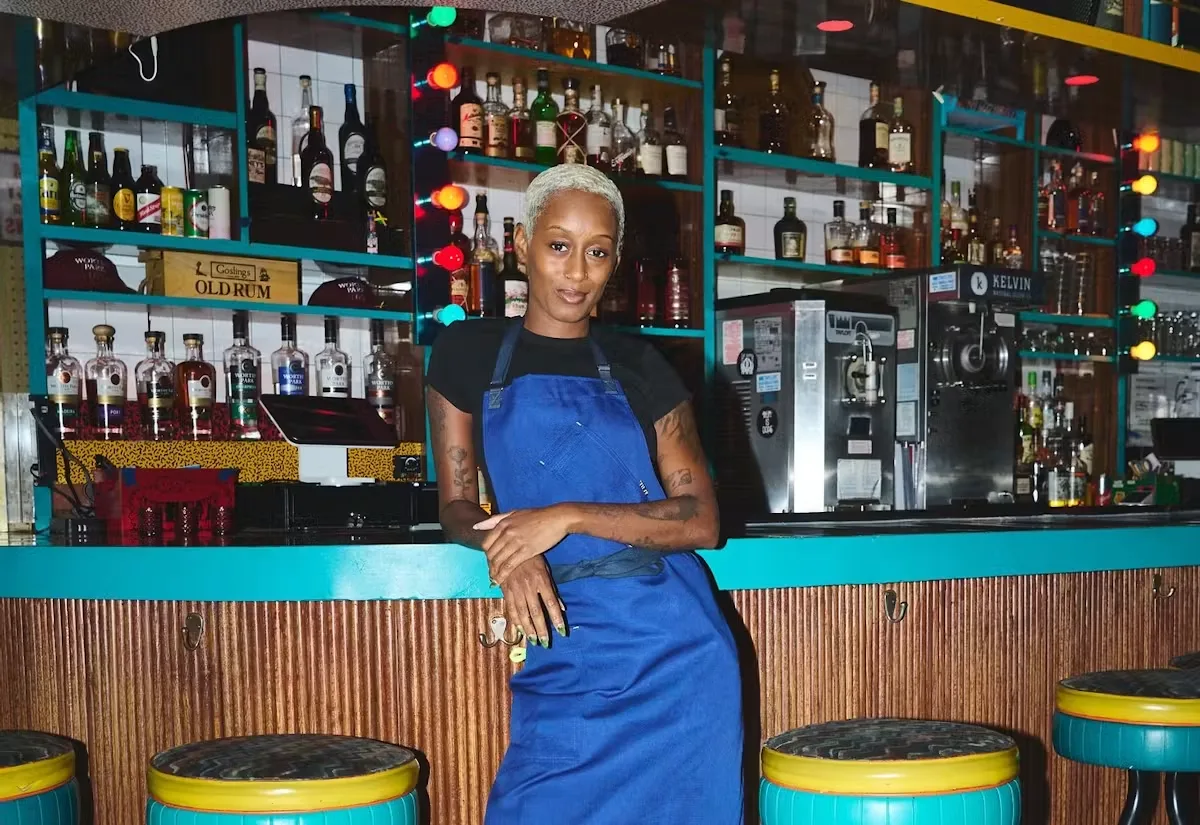
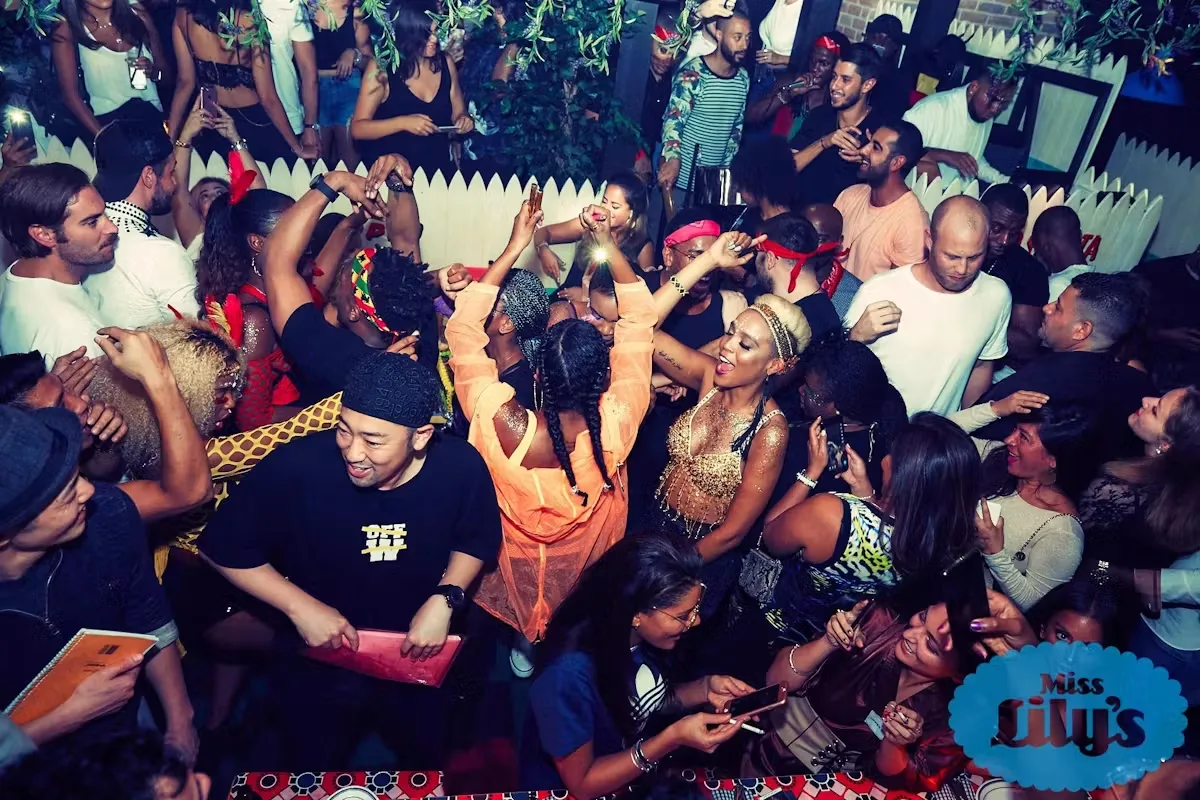
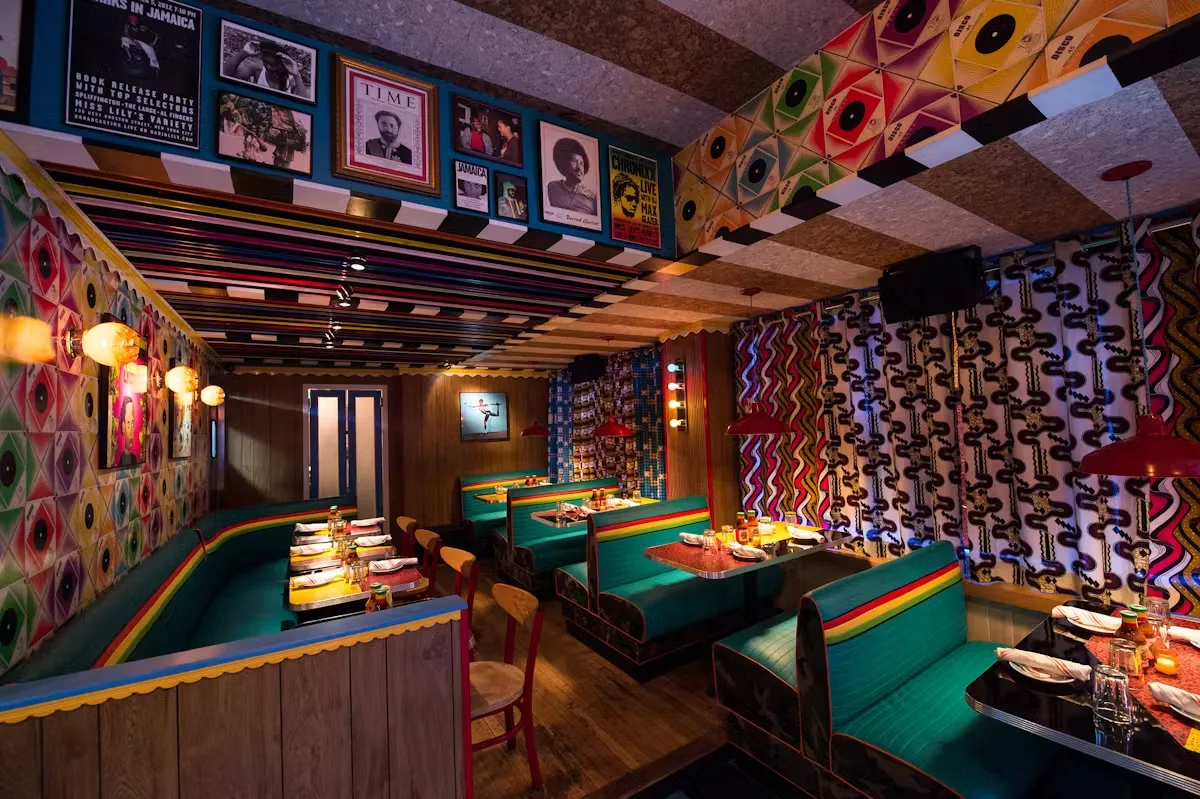
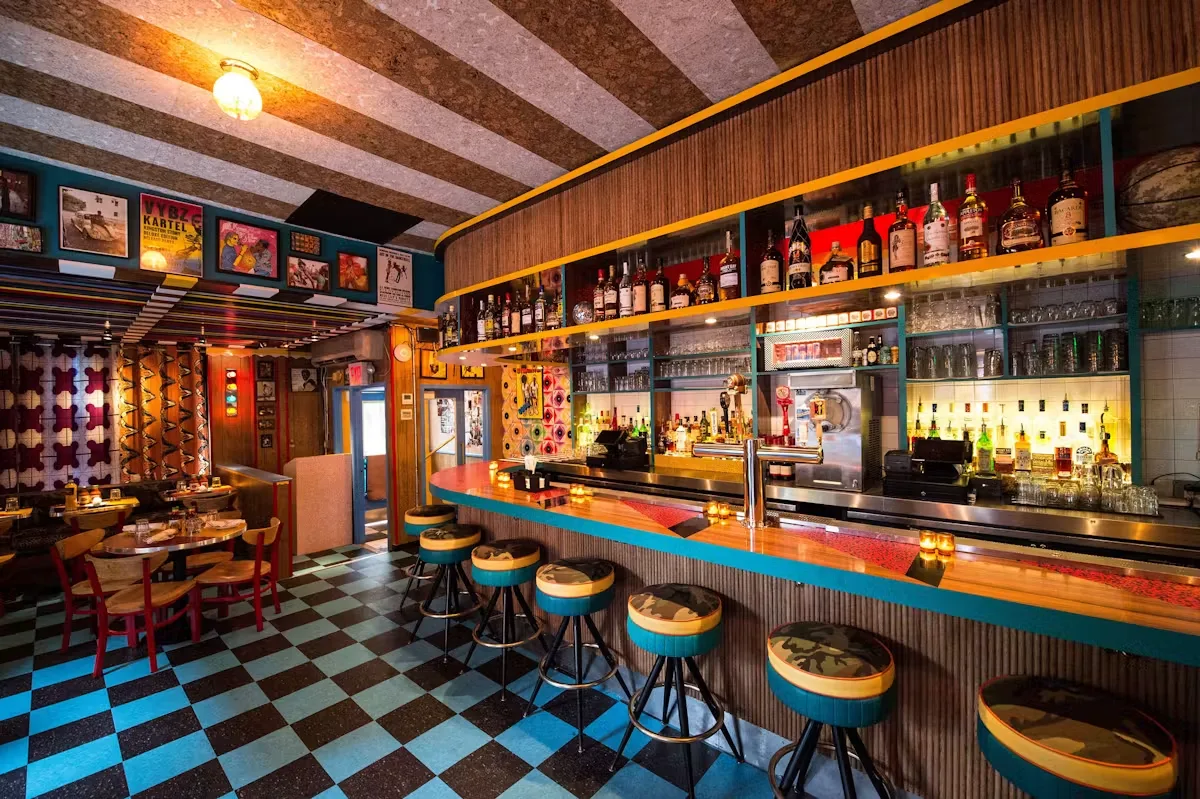
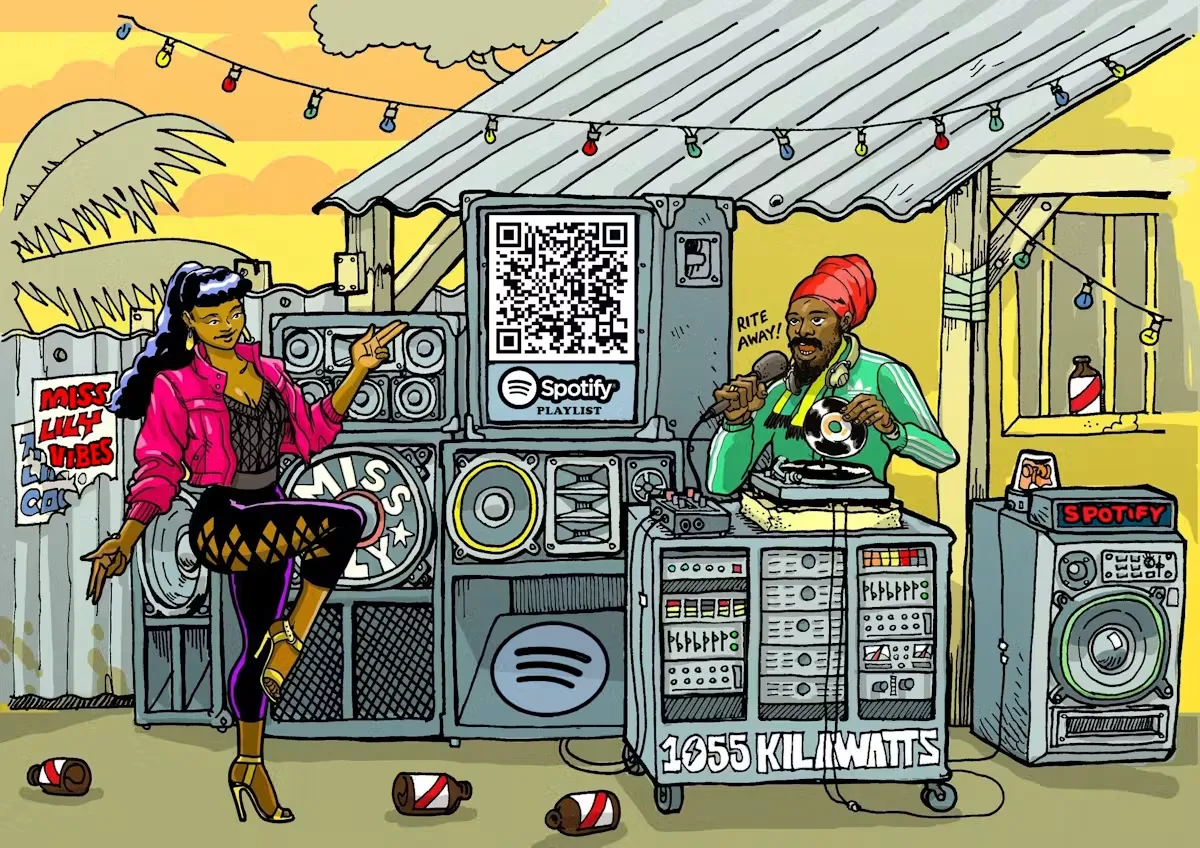
The space itself is a study in contrast. The decor takes inspiration from the signature clashing colors and asymmetrical shapes of the East Village’s punk scene while evoking an 80s Jamaican diner vibe. The distinctive facade recaptures the look of the vintage bodega storefronts that once defined the neighborhood. Inside, bold colors and vibrant patterns meet vintage-style booths and a state-of-the-art music system. DJs spin reggae, soca, afrobeat, and dancehall, creating an atmosphere that feels less like a restaurant and more like a party that happens to serve excellent food.
The Rum Bar is a serious draw, offering over 100 varieties of Caribbean rum alongside a full selection of wine, beer, and cocktails. There is also a Frozen Piña Colada slushy machine for those who want something classic and cold.
Beyond the food and drink, Miss Lily’s has a deeper commitment. A portion of the restaurant’s profits funds the Rockhouse Foundation, an IRS 501(c)(3) not-for-profit that has invested over US$11 million in seven educational projects in western Jamaica, transforming the places where Jamaica’s children learn. It is a rare and tangible connection between the plate and the place it comes from.
Recognition

Ambience
Details
Location

 Facebook
 Instagram